

Landscaping in dry, fire-prone regions forces homeowners to face two problems at once: how to conserve water during prolonged drought, and how to reduce the risk of wildfire spread around the home. The right plants can help with both. Some flowers naturally store water in their leaves, stems, or roots, while others maintain a low flammability profile even in extreme heat. This guide explores drought-tolerant flowers that are also fire-smart—a dual-purpose plant selection strategy that creates a beautiful, resilient, and defensible landscape.
Why Waterwise and Fire-Smart Landscaping Go Hand in Hand
Drought stress increases plant flammability. Dry plants ignite faster, burn hotter, and create embers that can travel miles. Choosing flowers that hold moisture, require minimal irrigation, and resist ignition reduces both water use and fire risk.
The Link Between Drought and Wildfire
- Less rainfall means plant tissues dry out
- Dry foliage becomes highly combustible
- Irrigation limitations make maintenance harder
- Many traditional garden flowers cannot survive drought stress
- High temperatures accelerate drying of leaves, stems, and litter
In regions prone to wildfire, waterwise flowers are not just an aesthetic choice—they are a defensive strategy.
The Science Behind Drought-Tolerant, Fire-Smart Flowers
Dual-purpose plants share several core biological traits.
1. High Internal Moisture Content
This is the most important characteristic. Plants that store water internally maintain cooler tissue temperatures and resist ignition.
High-moisture flowers are usually:
- Succulents
- Thick-leaved perennials
- Plants with fleshy stems
- Drought-adapted species from arid climates

2. Low Resin, Oil, and Aromatic Compounds
Highly aromatic herbs and woody shrubs burn quickly because fragrant oils are volatile. Drought-tolerant flowers that remain firewise contain very low aromatic compounds.
Low-oil, fire-smart flowers often have:
- Broad, smooth leaves
- Mild or no fragrance
- Minimal waxy coatings
- Low resin content
These traits reduce flame spread and heat intensity.
3. Minimal Dead Material Accumulation
Flowers that shed heavily, form woody stalks, or dry out from the center become hazardous—even if drought-tolerant.
Fire-smart flowers:
- Produce little plant litter
- Drop petals that decompose quickly
- Maintain green, non-woody stems
- Rarely accumulate thatch
4. Open, Airy Growth Structure
Dense shrubs trap heat and ignite more easily. Drought-tolerant perennials with open growth patterns allow air to move freely, reducing internal temperatures.
5. Ability to Survive With Little or No Irrigation
A plant that dies from drought becomes fuel. A plant that thrives during drought remains plump, hydrated, and fire-smart.
Dual-purpose flowers can withstand:
- Reduced watering
- Extended heat waves
- Low rainfall
- Poor soil conditions
Top Drought-Tolerant and Fire-Smart Flowers
Below are flowers that excel in both drought resistance and low flammability—ideal for wildfire zones and xeriscaped yards.
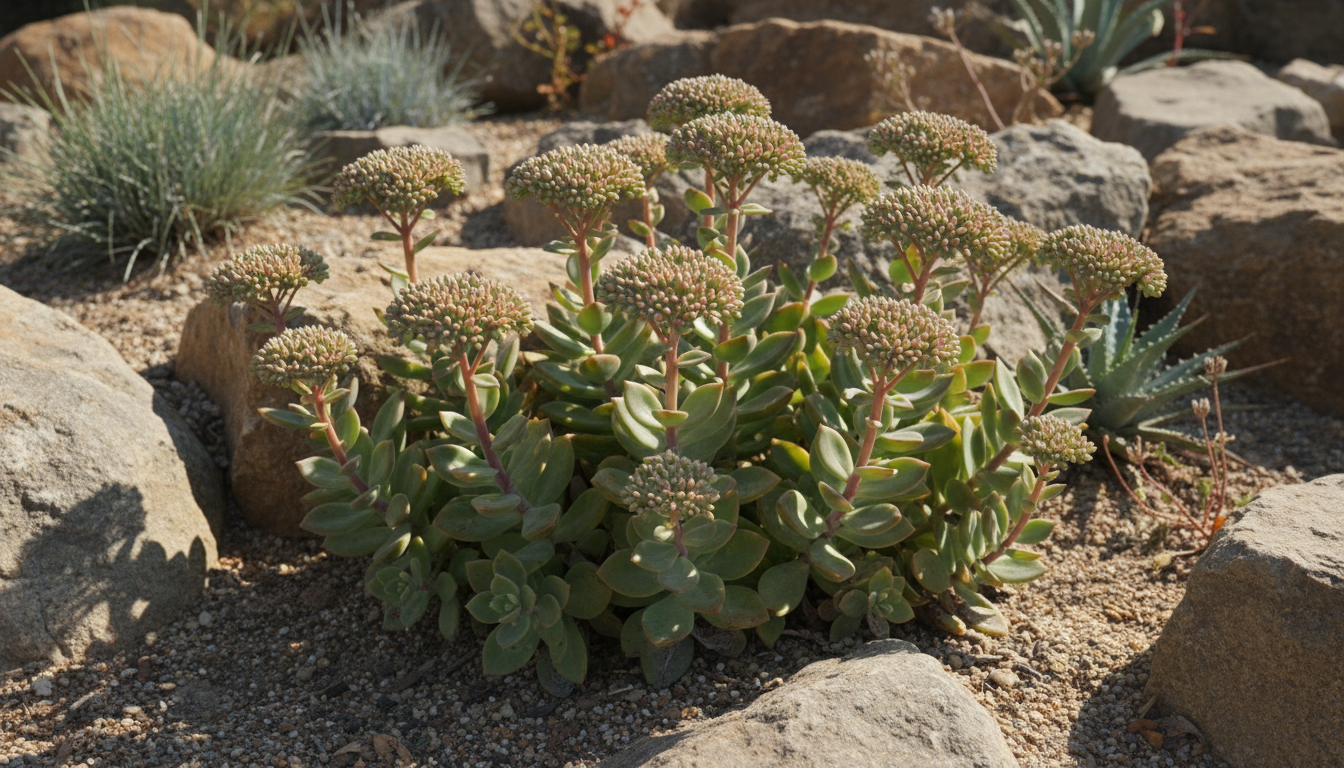
1. Sedum (Stonecrop)
Why It Works
Sedum is one of the best dual-purpose flowers. Its thick, succulent leaves store moisture deep into drought periods.
Fire-Smart Qualities
- High internal water content
- Minimal litter production
- Low aromatic compounds
- Non-woody growth
Sedum varieties like ‘Autumn Joy’ add height, structure, and long bloom periods.
2. Coneflower (Echinacea)
A Herbaceous Powerhouse
Coneflower is drought-tolerant once established and maintains its structure even in severe heat.
Firewise Benefits
- Herbaceous stems contain little to no wood
- Open growth habit keeps the plant cool
- Moderate water storage in roots
- Low resin levels
Coneflowers also support pollinators, adding ecological value.
3. Blanket Flower (Gaillardia)
Born for Heat
Native to hot, dry grasslands, Gaillardia thrives with minimal irrigation.
Why It’s Fire-Smart
- Soft, non-woody stems
- Very low oil content
- Flowers and leaves retain moisture
- Produces minimal dead material when maintained
Blanket flower blooms for months and handles poor soil effortlessly.
4. Ice Plant (Delosperma)
An Elite Fire-Resistant Succulent
Ice plant is among the most fire-resistant flowering plants on earth, due to its extreme water saturation.
Fire Defense Factors
- Thick, plump leaves filled with water
- Remains cool during heat waves
- Low growth habit prevents flame spread
- Minimal debris accumulation
Perfect for Zone 1 defensible space.

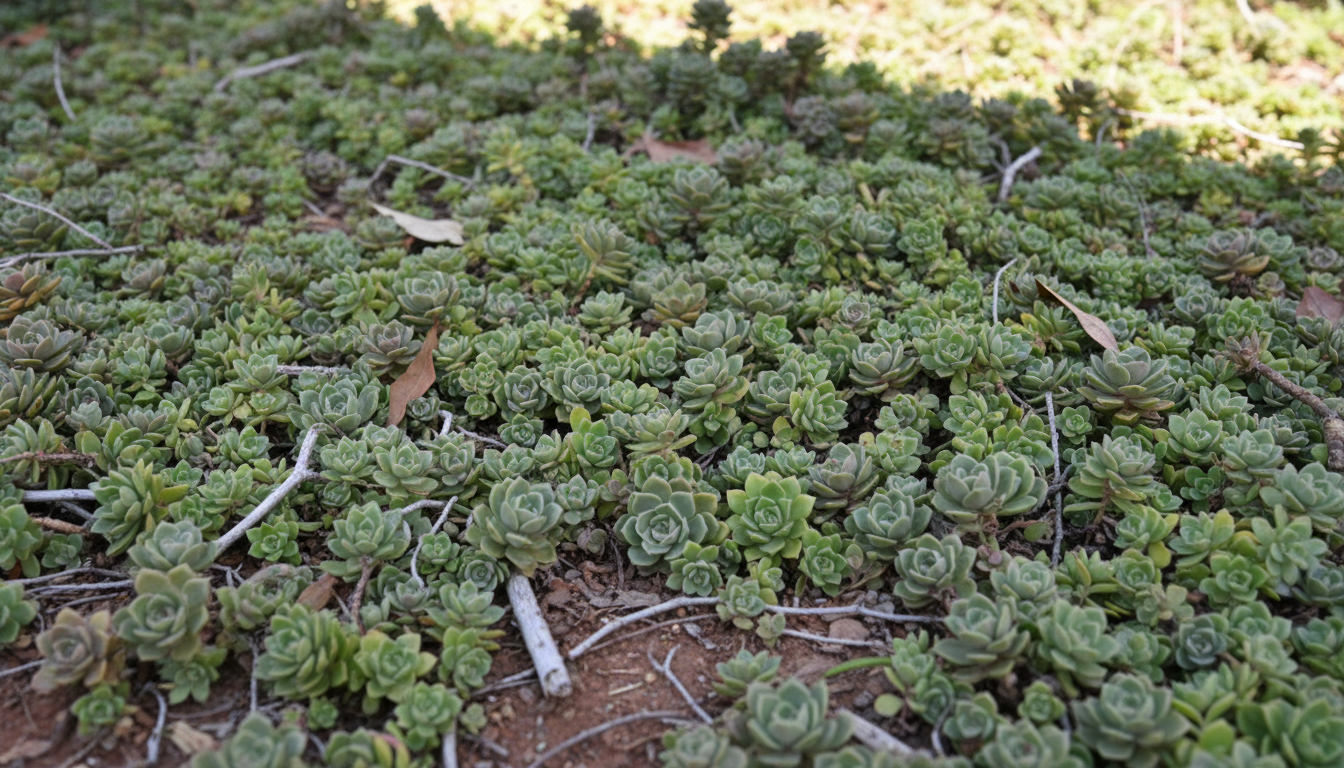
5. Hens and Chicks (Sempervivum)
A Classic Xeriscape Succulent
These compact rosettes store water efficiently and spread slowly.
Firewise Advantages
- Very high moisture retention
- Tight rosettes protect internal leaves
- Non-woody growth reduces fire load
- Clean-growing with low maintenance needs
Hens and chicks are ideal for rock gardens and foundation plantings.
6. California Fuchsia (Epilobium canum)
Drought-Proof Native Blooms
While not a succulent, California fuchsia is exceptionally drought-hardy and surprisingly firewise.
Fire-Smart Traits
- Soft, flexible stems
- Low aromatic content
- Naturally sparse growth pattern
- Little dry debris when maintained
The bright red flowers attract hummingbirds even in the driest months.
7. Yarrow (Achillea millefolium)
(With Regular Maintenance)
Yarrow is drought-tolerant and widely used in xeriscaping. However, it must be maintained—otherwise it becomes litter-prone.
Fire-Resistant Traits
- Herbaceous growth
- Moderate water retention
- Low resin when irrigated lightly
- Open flowering structure
Trim back spent blooms and remove dry stalks to keep it fire-smart.
8. Penstemon
A Desert Native That Handles Heat
Penstemon thrives in poor, rocky soils and is a long-blooming, drought-adapted perennial.
Why It’s Dual-Purpose
- Smooth, non-woody stems
- Low resin levels
- Minimal debris production
- Naturally lean, open form
Penstemon adds vertical interest while remaining firewise.
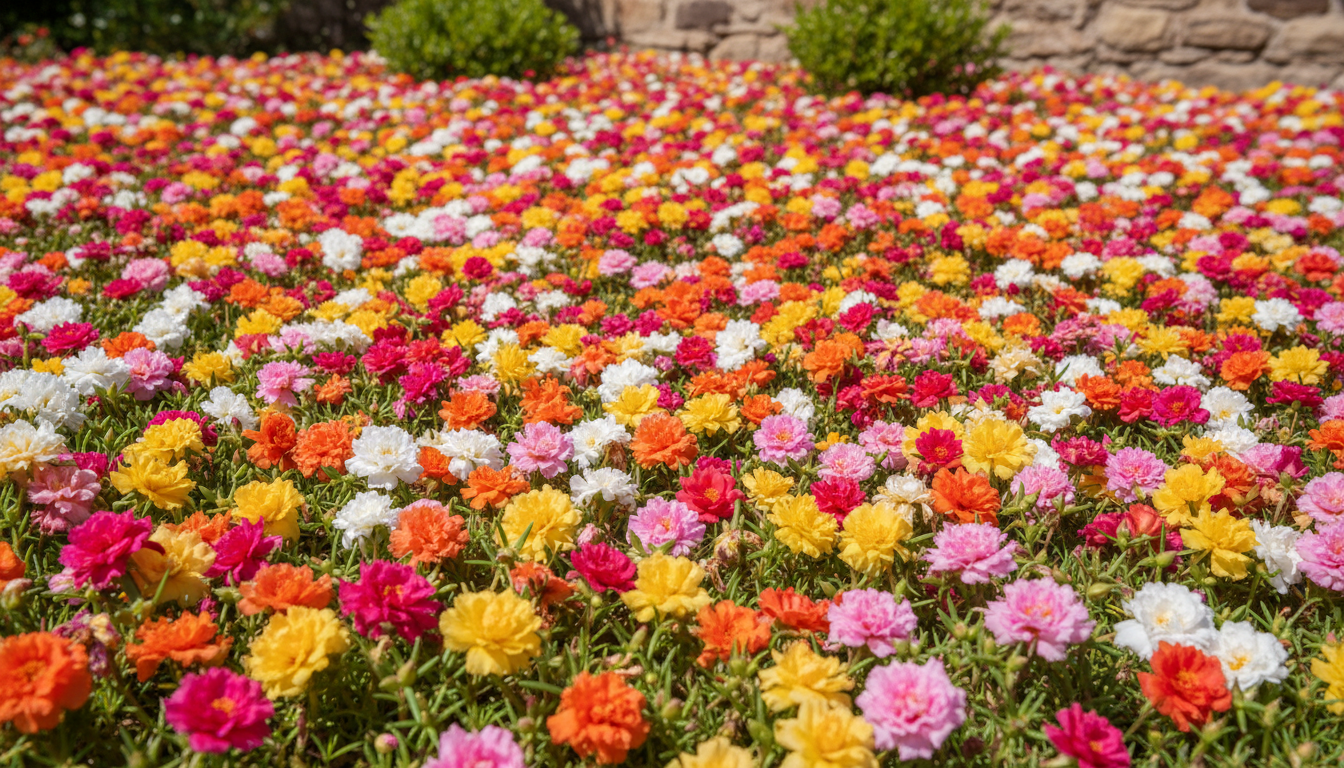
9. Moss Rose (Portulaca grandiflora)
A Heat-Loving Groundcover
Moss rose is a low-growing succulent flower that flourishes in intense heat.
Fire-Smart Characteristics
- Fleshy stems and leaves packed with moisture
- Minimal maintenance required
- Forms a soft mat that doesn’t accumulate thatch
- Non-aromatic, low oil content
Great for borders and sunny slopes.
How These Flowers Conserve Water While Reducing Fire Risk
Dual-purpose flowers function like small reservoirs, storing water internally and requiring little from irrigation systems.
1. Succulent Flowers Adapt by Storing Water
Succulents survive drought by:
- Retaining moisture in specialized tissues
- Closing stomata during the day
- Reducing transpiration
- Staying cool under direct sun
These same features prevent ignition during wildfire exposure.
2. Deep Roots Access Water Others Can’t Reach
Plants like Echinacea and Gaillardia develop deep root systems that mine water from deep soils.
This leads to:
- Stable hydration
- Less drought stress
- Lower flammability
3. Efficient Leaf Structures Reduce Evaporation
Thick or waxy leaves reduce moisture loss.
Examples:
- Sedum
- Moss rose
- Sempervivum
These leaves remain plump even with minimal irrigation.
4. Slow Growth Rates Mean Less Debris
Many drought-adapted flowers grow slowly and don’t produce excessive leaf litter—an essential factor in firewise landscaping.
Plants to Avoid: Drought-Tolerant but Highly Flammable
Not all drought-adapted plants are safe. Some conserve water by producing oils, waxes, or resins—all highly combustible.
Avoid these near structures:
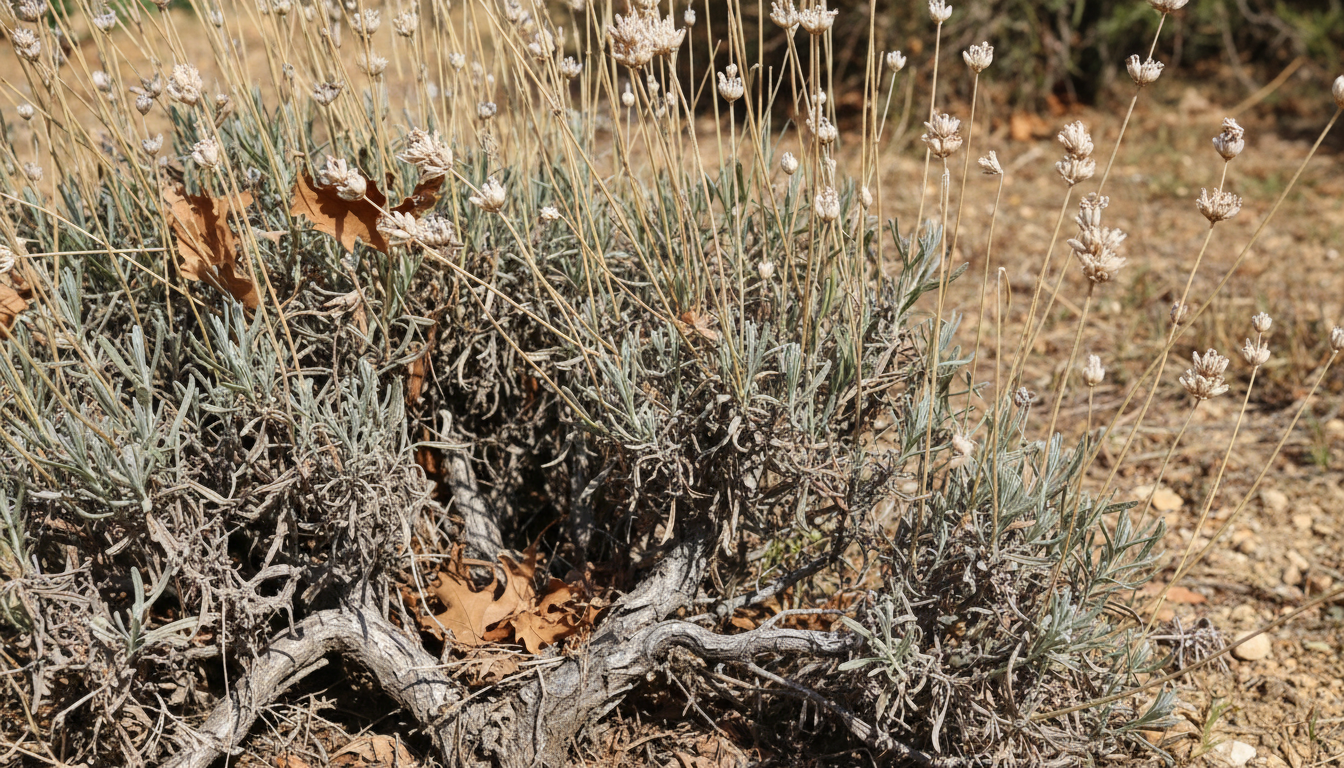
1. Lavender
Beautiful but full of essential oils.
Flammable even when green.
2. Rosemary
Aromatic oils burn quickly and intensely.
3. Juniper
Contains resin.
Needles accumulate dry debris inside the canopy.
4. Sagebrush and Many Salvias
Aromatic oils create high flammability.
Woody stems accumulate fuel.
5. Ornamental Grasses
(Unless heavily maintained)
Often drought-tolerant but produce high amounts of dry, flammable thatch.
Designing a Waterwise and Fire-Smart Landscape
Use these flowers strategically for best results.
1. Plant Succulents in the First 0–5 Feet From the Home
Ideal choices:
- Ice plant
- Sedum
- Hens and chicks
- Moss rose
This area is your primary defensible zone.
2. Use Drought-Tolerant Perennials in the Mid-Zone
Place these 5–30 feet from structures:
- Echinacea
- Gaillardia
- Penstemon
- Yarrow
They provide color without adding fire fuel.
3. Remove Dead Material Weekly During Fire Season
Keep flowers firewise by:
- Cutting dry stems
- Deadheading spent blooms
- Clearing leaf litter
4. Use Rock, Gravel, and Hardscaping as Protective Borders
Material breaks between plants slow fire spread significantly.
5. Space Plants Generously
Prevent fuel continuity by spacing drought-tolerant flowers:
- Small succulents: 6–12 inches
- Medium perennials: 18–24 inches
- Taller drought-tolerant flowers: 24–36 inches
How to Water Drought-Tolerant Flowers Without Increasing Fire Risk
Minimal irrigation is key, but so is consistency.
Recommended Practices
- Use drip irrigation
- Water early in the morning
- Avoid overhead watering
- Maintain mild, not heavy, soil moisture
- Encourage deep rooting through infrequent watering
Proper hydration keeps fire-smart flowers plump and ignition-resistant.
Climate Regions Where These Dual-Purpose Flowers Thrive
These flowers are ideal for:
- Mediterranean climates
- Semi-arid deserts
- High-elevation dry regions
- Coastal climates with summer drought
- Interior regions prone to wildfire
Their ability to store water and resist flames makes them adaptable across multiple zones.
Takeaway: A Beautiful Garden That Saves Water and Protects Your Home
Choosing flowers that are both drought-tolerant and fire-resistant allows you to create a stunning landscape that stands up to heat, water scarcity, and wildfire risk. Succulents, thick-leaved perennials, and hardy native flowers offer natural moisture reserves, low flammability, and long-lasting beauty with minimal care. These plants not only conserve water but also help form a crucial first line of defense around your home. With thoughtful selection and smart placement, your garden can beat both the heat and the flames—season after season.