
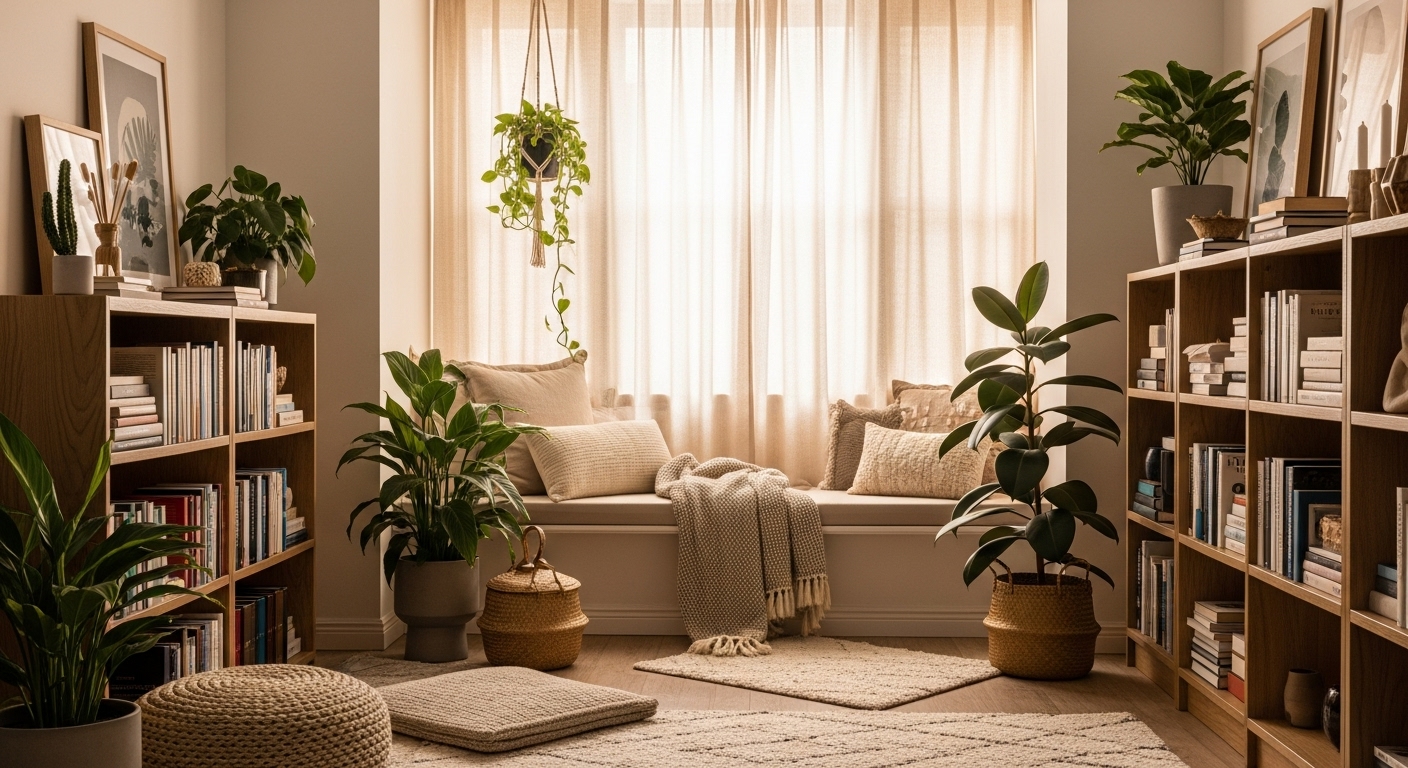
In an era dominated by screens, notifications, and constant connectivity, a new home design trend is emerging: analog or offline spaces. These rooms are designed to provide respite from digital distractions, offering a calm, tactile environment for reading, creativity, or relaxation.
“Analog rooms” are quickly gaining attention among homeowners and designers alike. While the concept may seem simple, creating a space that is both functional and visually appealing requires careful planning.
This guide will explain what analog rooms are, why they are becoming popular in 2026, and how to incorporate one in your own home, step by step. We’ll explore design elements, furniture selection, color schemes, and practical tips to make the room both relaxing and usable.
1. What Exactly Is an Analog Room?
An analog room is a dedicated area in your home where technology takes a back seat. These spaces focus on physical, sensory experiences rather than digital ones.
Core Features of Analog Rooms
- No screens: TVs, computers, tablets, or phones
- Tactile elements: books, journals, puzzles, musical instruments
- Natural materials: wood, stone, fabrics
- Comfort-focused furniture: reading chairs, lounge sofas
- Calming lighting: soft, warm tones instead of harsh overhead lights
Why the Trend Is Growing
- Rising awareness of digital burnout
- Desire for spaces that encourage focus and creativity
- Popularity of mindfulness and slow-living movements
- Social media influencers and designers showcasing analog rooms
2. Benefits of Adding an Analog Room to Your Home
Analog rooms provide more than aesthetic appeal—they enhance well-being and daily life.
Key Benefits
- Reduced stress and anxiety: Removing screens helps lower cortisol levels.
- Enhanced creativity: Physical tools like paper, books, or instruments stimulate imagination.
- Better sleep: Avoiding digital devices near bedtime improves rest.
- Quality time: Encourages reading, board games, or meaningful conversations.
- Intentional living: Focuses on tangible, fulfilling experiences over constant consumption.
3. Choosing the Right Space in Your Home
The first step is selecting a space that works for the purpose of the analog room.
Ideal Spaces
- Spare bedroom or guest room
- Corner of a living room or office
- Basement nook
- Attic or loft area
Key Considerations
- Quietness: Away from noisy zones
- Natural light: Encourages reading and calm
- Ventilation: Keeps air fresh during long periods spent in the space
- Flexibility: Can double as a hobby or creative workspace
4. Selecting Furniture for an Analog Room
Furniture is central to comfort and usability.
Must-Have Pieces
- Comfortable lounge chair or reading nook
- Small table or desk for analog activities
- Bookshelves or storage cabinets
- Soft area rugs for texture and warmth
Designer Tip
- Use multipurpose furniture like a reading chair with storage underneath or an ottoman doubling as a side table.
- Avoid overly ornate furniture—it can distract from the calm environment.
5. Lighting That Enhances Focus and Relaxation
Lighting is critical for analog spaces, especially for reading or artistic work.
Types of Lighting
- Natural light: Maximize sunlight using sheer curtains or large windows.
- Task lighting: Adjustable desk lamps or floor lamps for reading and writing.
- Ambient lighting: Soft wall-mounted lights or warm LED strips.
Placement Tips
- Avoid glare on reading surfaces
- Use layers: combine overhead and task lighting
- Dim lights for evening relaxation
6. Color Palettes That Promote Calm
Color psychology plays a key role in relaxation. Analog rooms benefit from neutral, muted, or earthy tones.
Recommended Colors
- Warm whites or soft creams
- Sage or muted green
- Soft grays or beige
- Natural wood tones
- Accents in muted blue or terracotta
How to Use Colors
- Keep walls neutral for calmness
- Use furniture or décor for soft accent tones
- Layer textures for visual interest without overwhelming the senses
7. Incorporating Analog Activities
The core of an analog room is the activities it supports.
Popular Analog Activities
- Reading physical books or journals
- Writing or sketching
- Playing musical instruments
- Doing puzzles or board games
- Meditating or practicing yoga
Practical Tips
- Keep supplies organized in baskets or drawers
- Rotate activities seasonally to keep the space fresh
- Use shelves or storage for books and tactile tools
8. Natural Elements to Enhance Relaxation
Adding nature-inspired elements amplifies the calm effect.
Designer Favorites
- Indoor plants or succulents
- Wooden accents or furniture
- Stone décor or planters
- Natural textiles like cotton, linen, or wool
Why It Works
- Natural textures are calming for the eyes and body
- Provides subtle color contrast without overstimulation
- Helps mimic the outdoors indoors
9. Minimizing Digital Distractions
The “offline” aspect is what defines an analog room.
Tips to Keep It Screen-Free
- Leave devices outside the room
- Use analog clocks instead of smart clocks
- Avoid Wi-Fi-enabled appliances
- Create clear rules for family members or roommates
Optional Tech Exceptions
- E-readers without internet can be used if necessary
- Audio players for soft music (offline) can enhance ambiance
10. Styling and Decor Tips
Decor should support calmness, not clutter.
Recommended Approaches
- Minimal artwork or framed photos
- Textured rugs and throws for warmth
- Subtle scents from candles or essential oils
- Tactile objects like pottery, shells, or natural stones
Avoid
- Busy patterns
- Excessive wall décor
- Neon or bright artificial colors
- Multipurpose clutter that distracts from relaxation
11. Examples of Analog Room Types
| Room Type | Primary Purpose | Key Features |
|---|---|---|
| Reading Nook | Quiet reading | Lounge chair, bookshelf, warm lamp, small rug |
| Creative Studio | Art or writing | Desk, storage for supplies, natural light, inspiration board |
| Mindfulness Zone | Meditation & yoga | Cushions, floor mats, plants, minimal décor |
| Hobby Corner | Board games or puzzles | Storage for pieces, table, seating, soft lighting |
12. How to Start Small
You don’t need a full room immediately. Designers often start with small corners.
Steps
- Choose a small area
- Remove digital devices
- Add one comfortable chair
- Introduce one tactile hobby or activity
- Gradually expand the space as you see fit
13. Cost-Effective Analog Room Ideas
- Repurpose existing furniture (repaint or refinish)
- DIY shelving with crates or floating shelves
- Use natural fabrics for pillows and throws
- Shop for second-hand books and décor items
- Make small, seasonal updates instead of major renovations
14. The Benefits of Analog Rooms in Daily Life
- Encourages mindfulness and calm
- Supports hobbies that reduce stress
- Provides a screen-free retreat for the family
- Promotes intentional use of space
- Enhances overall home satisfaction
Conclusion
Analog rooms are one of the most practical and timeless design trends of 2026. They aren’t about high budgets or flashy décor—they’re about creating calm, technology-free spaces that support well-being.
By thoughtfully selecting furniture, colors, lighting, natural elements, and analog activities, any homeowner can transform part of their home into a relaxing retreat. Whether you start with a small corner or dedicate an entire room, the principles are simple: prioritize calm, tactile experiences, and screen-free living.
This trend proves that sometimes the most valuable home upgrade isn’t expensive—it’s intentional.