
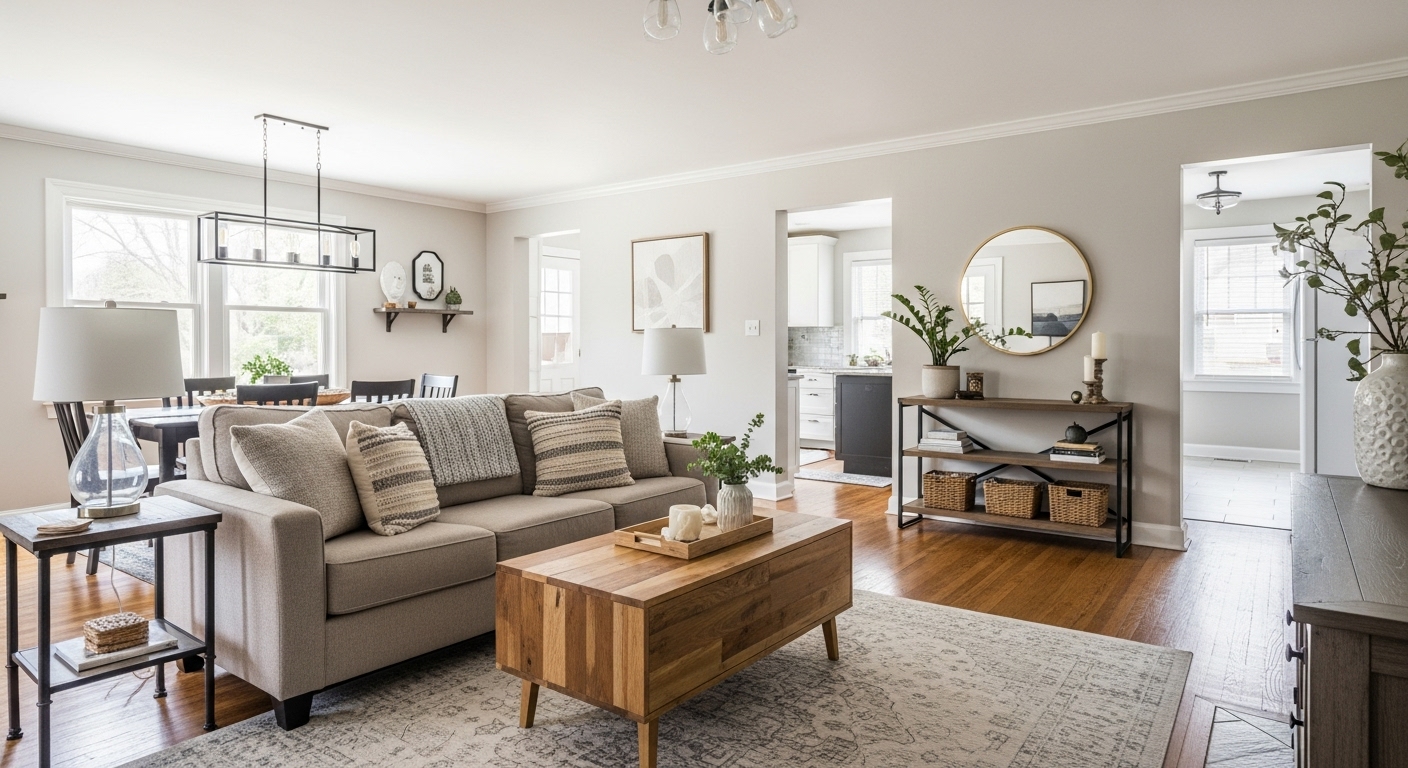
Home makeovers often get a reputation for being expensive, stressful, and unpredictable. Many homeowners believe that achieving a designer-level look requires a designer-level budget. The truth is surprisingly different.
Professional interior designers are not constantly overspending. In fact, many of them are extremely strategic with money. They know where to invest, where to save, and—most importantly—what not to spend on.
This guide breaks down six real-world money-saving strategies designers use during home makeovers, explained in a way that everyday homeowners can apply without special connections or industry discounts. These methods focus on planning, prioritization, and smart decision-making rather than cutting corners.
If you’re planning a home refresh, renovation, or even a single-room update, this article will help you get more value from every dollar you spend.
1. Designers Start With a Clear Scope (Before Buying Anything)
One of the biggest budget mistakes homeowners make is shopping first and planning later. Designers do the opposite.
What Designers Do Differently
Before any purchase is made, designers define:
- The purpose of the space
- The must-have improvements
- The nice-to-have upgrades
- The maximum budget ceiling
This prevents impulse buys and design changes mid-project, which are major cost drivers.
How You Can Apply This
- Write down the exact goal of the makeover (function first, aesthetics second).
- List every change you want to make, then rank them by importance.
- Decide what can be postponed if the budget gets tight.
- Set a firm budget and reserve 10–15% as a contingency.
Why This Saves Money
- Reduces wasted purchases
- Prevents rework and replacement costs
- Keeps decisions focused and intentional
2. They Reuse and Refresh Instead of Replacing
Designers are experts at making existing elements look new again.
Common Items Designers Refurbish
- Cabinets
- Furniture frames
- Hardwood floors
- Doors and hardware
- Light fixtures
Instead of tearing things out, designers assess what can be improved with surface-level upgrades.
Cost Comparison Table
| Item | Full Replacement Cost | Designer Refresh Cost |
|---|---|---|
| Kitchen Cabinets | High | Low to Medium |
| Dining Table | Medium to High | Low |
| Interior Doors | Medium | Low |
| Light Fixtures | Medium | Low |
DIY-Friendly Refresh Ideas
- Paint or refinish wood furniture
- Replace knobs and pulls
- Update lampshades instead of fixtures
- Sand and reseal floors instead of replacing
Why This Works
Structural items are expensive. Cosmetic updates often deliver 80% of the visual impact at a fraction of the cost.
3. Designers Invest Only Where It Actually Matters
Not everything in a home deserves equal spending. Designers know where quality matters and where it doesn’t.
High-Impact Areas Worth Spending On
- Seating comfort (sofas, chairs)
- Lighting quality
- Flooring durability in high-traffic areas
- Mattress and bedding
Areas Designers Often Save On
- Decorative pillows
- Wall art
- Side tables
- Trend-based accessories
How to Decide
Ask this question:
Will I touch, sit on, or use this item every day?
If the answer is yes, prioritize quality. If not, cost-effective options are usually fine.
4. They Avoid Trends That Expire Quickly
Trendy designs may look great on social media, but designers are cautious about them—especially expensive ones.
Examples of Costly Trend Traps
- Highly patterned tiles
- Ultra-specific color palettes
- Statement lighting that dominates the room
- Trend-based built-ins
Designer Strategy
Designers keep:
- Permanent features neutral
- Trend elements removable or low-cost
How You Can Do the Same
- Use trends in paint, textiles, or decor
- Keep flooring, cabinetry, and walls timeless
- Choose classic shapes and materials
This approach reduces future renovation costs when trends fade.
5. Designers Shop With Timing and Flexibility
Designers rarely buy everything at once—and they don’t rush.
Money-Saving Timing Strategies
- Plan purchases months in advance
- Watch for seasonal sales
- Buy off-season items
- Stay flexible with exact styles and finishes
Practical Homeowner Tip
Create a shortlist instead of a fixed list. If one option is unavailable or overpriced, you can pivot without redesigning the entire space.
Why This Matters
Urgency increases costs. Flexibility creates opportunities to save.
6. They Design for Function First, Not Just Looks
Beautiful spaces that don’t function well often require expensive fixes later. Designers prioritize layout, flow, and daily use.
Functional Questions Designers Ask
- Does this layout reduce movement or add it?
- Can this storage handle daily clutter?
- Is maintenance realistic for this household?
Examples of Functional Design Savings
- Built-in storage reducing need for extra furniture
- Easy-to-clean materials preventing early replacement
- Proper lighting reducing future upgrades
How to Apply This
- Observe how you currently use the space.
- Identify pain points (clutter, poor lighting, awkward flow).
- Solve those first—decor comes later.
Bonus Tip: Designers Know When to DIY and When Not To
Not every task should be DIY—even if it seems cheaper upfront.
Good DIY Candidates
- Painting
- Simple furniture upgrades
- Decor styling
- Basic landscaping
Tasks Often Worth Professional Help
- Electrical work
- Plumbing
- Structural changes
- Flooring installation (in large areas)
Doing the wrong job yourself can double the cost later.
Putting It All Together: A Designer Mindset for Saving Money
Designers don’t save money by being cheap. They save money by being intentional.
Designer Money-Saving Formula
- Plan first
- Reuse when possible
- Spend where it counts
- Avoid fast-fading trends
- Stay flexible
- Design for real life
Adopting this mindset helps homeowners achieve polished, long-lasting results without financial regret.
Final Thoughts
A successful home makeover isn’t about how much you spend—it’s about how wisely you spend it. Interior designers understand this better than anyone, and their strategies are not exclusive to professionals.
By applying these six designer-approved methods, you can reduce unnecessary costs, avoid common renovation mistakes, and create a home that feels thoughtful, comfortable, and cohesive.
Smart design is not about luxury. It’s about clarity, purpose, and long-term value.