
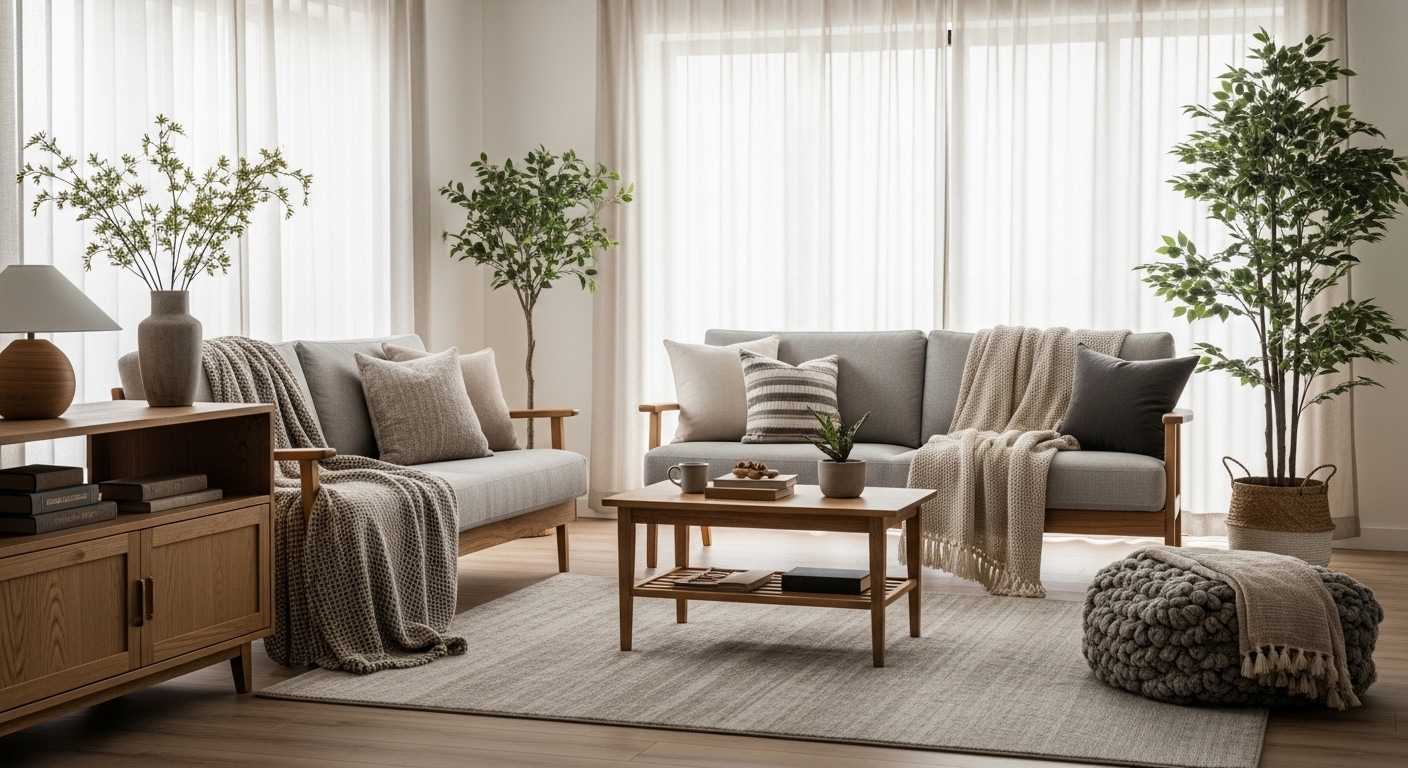
A relaxing home is not defined by size, luxury, or trend-driven décor. Some of the most calming homes are modest, practical, and surprisingly simple. Yet many homeowners struggle to create that feeling, even after investing in new furniture or renovations.
Why?
Because relaxation in a home is less about what you add—and more about how the space supports daily life.
Interior designers consistently point to a small set of shared characteristics found in homes that feel calm, grounded, and restorative. These elements are not expensive, complicated, or exclusive to high-end design. In fact, most can be achieved with thoughtful adjustments rather than major changes.
This guide breaks down what truly relaxing homes have in common, why these elements work psychologically, and how you can apply them in your own home—room by room—without overwhelming effort.
1. A Clear Sense of Visual Order
Why Order Creates Calm
One of the strongest signals of a relaxing home is visual clarity. Designers agree that clutter—both physical and visual—creates low-level stress, even when we don’t consciously notice it.
A relaxing home doesn’t have to be minimalist, but it does have to feel intentional.
Visual order helps the brain rest because it reduces the amount of information the eyes must process.
How Designers Achieve Visual Order
- Furniture arranged with clear walking paths
- Defined zones for activities
- Balanced spacing between objects
- Fewer competing focal points per room
Instead of filling every surface, relaxing homes allow space to exist between items.
Simple Ways to Apply This at Home
- Remove one unnecessary item from each visible surface
- Group similar objects instead of scattering them
- Leave at least one wall or area intentionally simple
- Avoid over-layering patterns in one space
Order does not mean sterile. It means everything has a reason for being there.
2. Soft, Layered Lighting Instead of One Harsh Source
Why Lighting Affects Relaxation More Than Color
Designers often say lighting has more impact on mood than paint color. Homes that feel relaxing rarely rely on a single overhead light. Instead, they use layered lighting that mimics natural light patterns.
Harsh lighting can make even beautiful spaces feel uncomfortable.
Common Lighting Features in Relaxing Homes
- Multiple light sources at different heights
- Warm-toned bulbs
- Lamps instead of ceiling-only lighting
- Dimmable fixtures where possible
This creates gentle transitions between light and shadow, which feels more natural to the human eye.
Easy Lighting Upgrades
- Add a table or floor lamp to rooms with only ceiling lights
- Switch to warm light bulbs
- Use lamps in the evening instead of overhead lights
- Position lighting to bounce off walls instead of shining directly down
Relaxing homes feel softly lit, not brightly exposed.
3. A Neutral, Balanced Color Foundation
Why Relaxing Homes Avoid High-Contrast Palettes
Relaxing homes typically start with a calm, neutral base. This doesn’t mean all-white interiors, but it does mean avoiding aggressive contrast and overly saturated colors in large areas.
Designers explain that strong visual contrast keeps the brain alert rather than at ease.
Common Color Foundations Designers Use
- Warm whites
- Soft beiges
- Muted grays
- Earth tones
- Desaturated blues and greens
These colors allow the eye to move gently through a space without constant stimulation.
How to Use Color Without Losing Calm
- Keep walls and large furniture neutral
- Add color through smaller accents
- Use similar undertones throughout the home
- Limit bold colors to one or two areas
Relaxing homes feel cohesive because colors relate to one another naturally.
4. Comfortable Furniture That Encourages Real Use
Why “Look-Only” Furniture Breaks Relaxation
Homes designed only for appearance tend to feel tense. Designers consistently note that relaxing homes prioritize comfort over perfection.
If furniture looks good but feels awkward, stiff, or impractical, people subconsciously avoid using it fully.
What Comfortable Homes Have in Common
- Seating that supports the body naturally
- Tables at appropriate heights
- Chairs you can sit in for long periods
- Furniture sized correctly for the room
Comfortable homes invite people to sit, rest, and stay.
Simple Comfort Improvements
- Add cushions or throws to stiff seating
- Adjust furniture spacing to avoid crowding
- Replace overly decorative chairs with functional ones
- Choose soft textures where your body makes contact
Relaxation comes from feeling supported, not styled.
5. A Consistent Sense of Flow Between Rooms
Why Flow Matters More Than Open Floor Plans
Many people assume open layouts automatically feel relaxing. Designers disagree. What matters more is flow, not openness.
Flow refers to how easily you move—physically and visually—through a home.
Signs of Good Flow in Relaxing Homes
- Clear walkways
- Logical furniture placement
- Visual continuity between rooms
- Flooring and colors that transition smoothly
Even homes with separate rooms can feel calm if flow is considered.
How to Improve Flow Without Remodeling
- Align furniture with doorways and walk paths
- Use similar colors or materials across rooms
- Remove obstacles from main circulation areas
- Avoid blocking natural light paths
A home that flows well feels effortless to live in.
6. Natural Elements Integrated Subtly
Why Nature Lowers Stress Indoors
Designers consistently incorporate elements inspired by nature into relaxing homes. This isn’t about turning a home into a jungle—it’s about balance.
Natural materials help counteract the artificial stimulation of modern life.
Common Natural Elements Used
- Wood in furniture or flooring
- Stone or ceramic textures
- Linen, cotton, or wool fabrics
- Indoor plants
- Natural light emphasis
These elements ground a space and make it feel more human.
Easy Ways to Add Natural Touches
- Replace synthetic fabrics with natural ones where possible
- Introduce one or two plants per room
- Choose wood finishes over glossy plastics
- Use textured materials instead of smooth, reflective ones
Relaxing homes feel connected to the real world.
7. Reduced Noise and Visual Distractions
Why Quiet Is Part of Design
Relaxation is not only visual. Designers pay close attention to how sound and movement affect a space.
Homes that feel calm often limit unnecessary noise and motion.
Design Choices That Reduce Distraction
- Rugs to soften sound
- Curtains that absorb echo
- Upholstered furniture
- Fewer reflective surfaces
- Hidden storage for electronics and cables
The result is a space that feels settled rather than restless.
8. Personal Items Used Intentionally, Not Excessively
Why Personalization Must Be Curated
Relaxing homes feel personal—but not crowded with memories. Designers emphasize quality over quantity when it comes to décor.
Too many personal items create visual noise.
How Designers Curate Personal Touches
- Display fewer, more meaningful items
- Rotate décor seasonally
- Group items instead of scattering them
- Leave space around personal objects
This makes each item feel special rather than overwhelming.
9. Spaces Designed for Daily Life, Not Occasions
Why Everyday Function Matters
Relaxing homes support everyday habits. They are designed around how people actually live, not how spaces are “supposed” to be used.
Designers focus on:
- Daily routines
- Storage for frequently used items
- Multi-functional spaces
- Ease of maintenance
When a home works for daily life, relaxation follows naturally.
10. Consistency Over Trends
Why Trend-Chasing Creates Tension
Homes that constantly change to follow trends often feel unsettled. Designers recommend consistency over novelty.
Relaxing homes evolve slowly and intentionally.
How to Avoid Trend Fatigue
- Choose timeless base elements
- Update small accents instead of major pieces
- Focus on comfort and function first
- Let your home reflect you, not social media
A stable environment supports mental rest.
How to Make Your Home More Relaxing Starting Today
You don’t need to redesign everything.
Start with:
- Turning off harsh overhead lights at night
- Clearing one surface completely
- Adding one soft texture
- Improving furniture layout
- Removing visual clutter from main rooms
Small changes compound quickly.
Conclusion
Relaxing homes share more similarities than differences. They are not defined by luxury or trendiness, but by clarity, comfort, balance, and thoughtful design choices.
Designers agree that the most peaceful homes support daily life quietly and consistently. They use soft lighting, neutral foundations, comfortable furniture, natural materials, and intentional organization to reduce stress rather than add stimulation.
Creating a relaxing home is not about doing more—it’s about doing less, more thoughtfully.
When a home feels easy to live in, relaxation becomes automatic.