

Wildfire-safe landscaping starts with the first five feet around your home—the critical Zone 1 of defensible space. This area can dramatically influence how a fire behaves when it reaches your property. While most homeowners think of this space as a buffer zone free of plants, certain low-flammability flowers can safely exist close to structures when chosen and maintained properly. This guide explores seven moisture-rich, ground-hugging, fire-resistant flowers that bring color and protection to the area closest to your home.
The Flammability Factor: Why Zone 1 Planting Matters
Zone 1 (0–5 feet from your home) is the most vulnerable area during a wildfire. Wind-driven embers often collect at siding, fences, foundation edges, and outdoor furniture. Even a small amount of dry plant material can ignite, placing the entire structure at risk.
Plant selection in this zone must be based on:
- High internal moisture
- Low resin, oil, and wax content
- Minimal accumulation of dead material
- Low, compact growth habits
- Non-woody, non-thatch-forming structures
- Easy maintenance
- Heat-tolerant yet shallow rooting
Flowers that meet these conditions not only beautify the area but also help interrupt fire behavior by reducing available fuel.
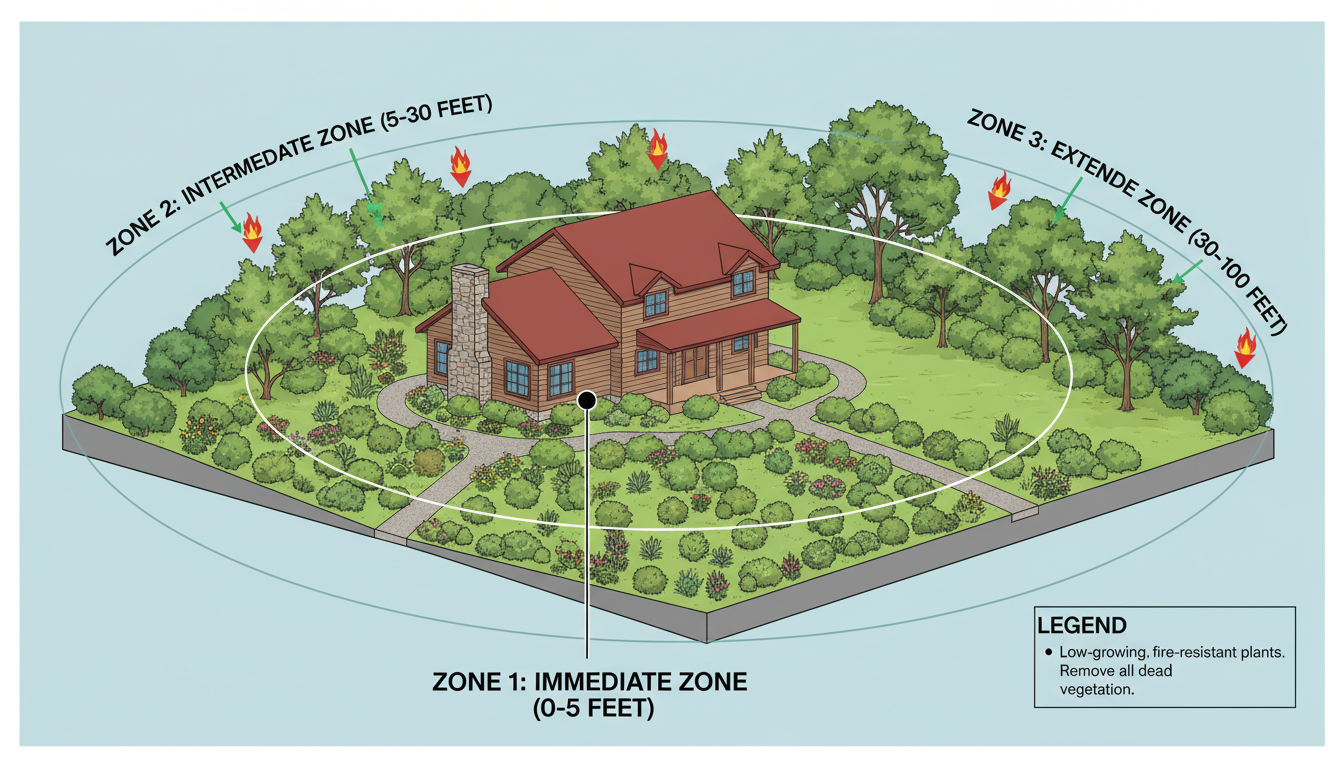
7 Fire-Resistant Flowers to Plant Closest to Your Home
Below are seven flowers supported by wildfire research, fire-safe landscaping guidelines, and horticulture experts as suitable for Zone 1 when properly maintained.
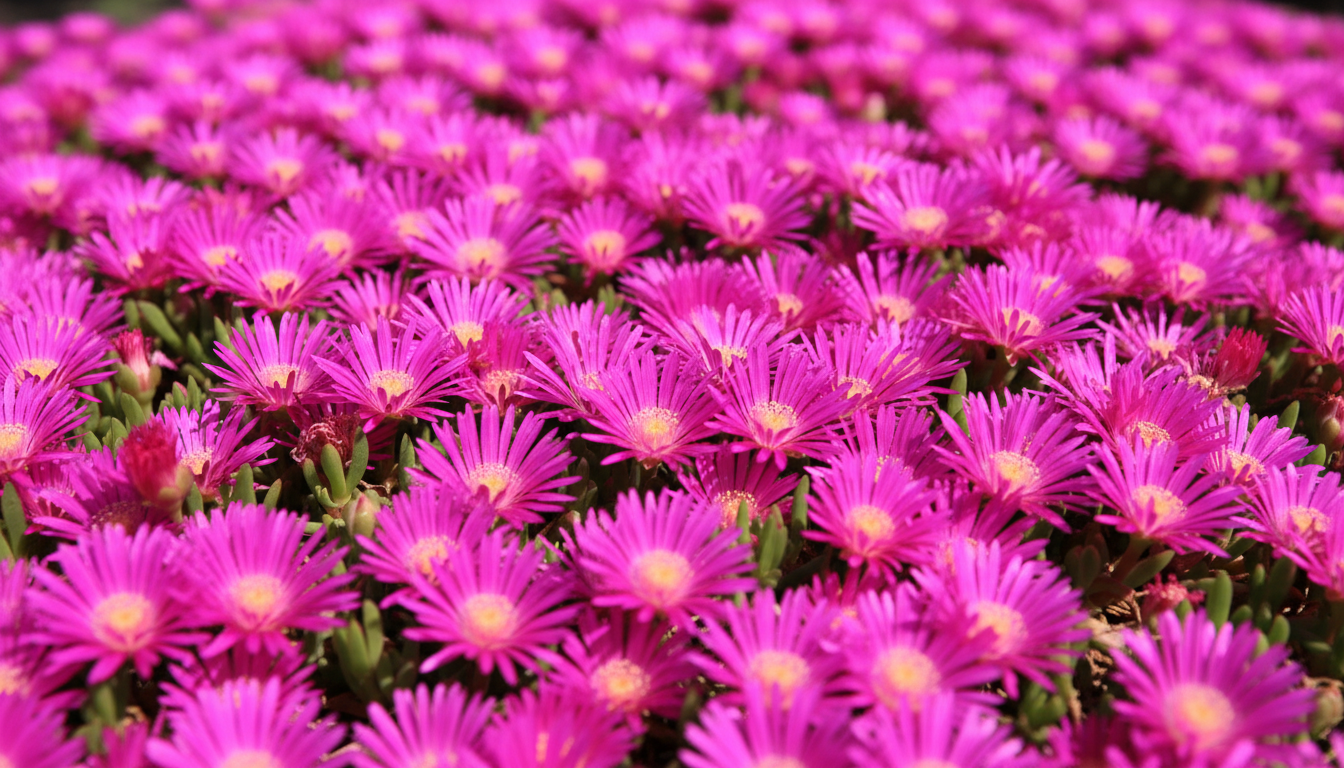
1. Ice Plant (Delosperma spp.)
Why It Works in Zone 1
Ice plant is a drought-tolerant succulent with extraordinarily high moisture content. Its foliage is thick and fleshy, which makes it far more resistant to ignition than standard ornamental flowers. Ice plants also stay low to the ground and spread out as a living mat, choking out dry weeds that could otherwise ignite.
Firewise Benefits
- Very low flammability
- Stores water in leaves
- Minimal debris drop
- Thrives in heat and poor soil
- Blooming adds color without increasing fire risk
Best Use Near Your House
Use it as a living groundcover along foundation edges, beneath windows, or in narrow border spaces where planting options are limited.
2. Red Hot Poker (Kniphofia uvaria)
Why It Works in Zone 1
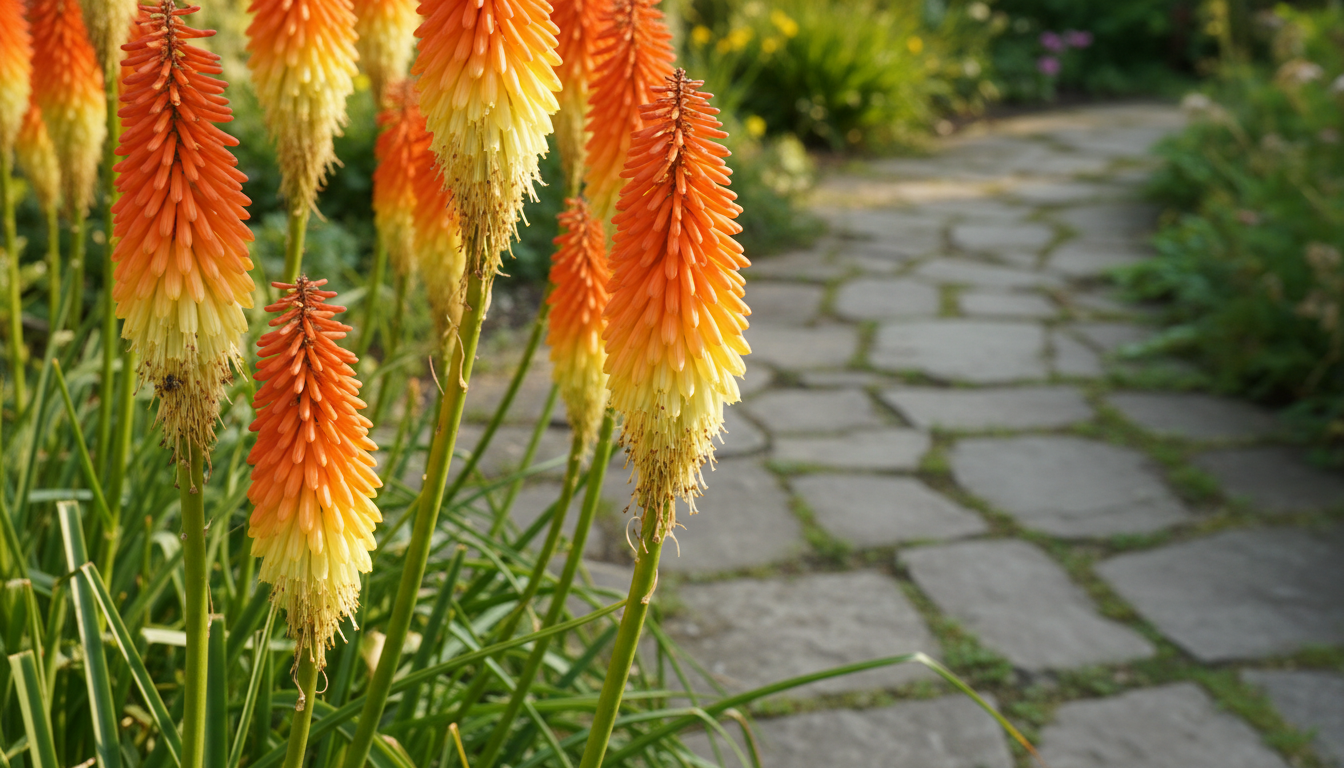
Although this plant stands taller than succulents, Red Hot Poker has thick, moisture-retaining leaves and flower spikes that resist ignition. The flowers themselves are tubular and waxy—far less likely to ignite compared to papery blooms.
Firewise Benefits
- High internal moisture
- Non-woody growth
- Dense but controllable clumping habit
- Does not produce excessive dry material
Best Use Near Your House
Ideal as a centerpiece plant along a #firewise flower bed or placed in small clusters with separation between clumps.
3. Aloe (Aloe spp.)
Why It Works in Zone 1
Aloes are among the most fire-resistant ornamental plants due to their gel-filled leaves, which act as built-in fire retardants. Many species also bloom with striking spikes of orange, red, or yellow flowers.
Firewise Benefits
- Very high moisture content
- Excellent heat tolerance
- Non-flammable foliage
- Minimal shedding or dead material
- Evergreen year-round
Best Use Near Your House
Use smaller aloe varieties (such as Aloe nobilis or Aloe vera) in clusters or as foundation plantings. Keep larger species pruned and tidy.

4. California Fuchsia (Epilobium canum)
Why It Works in Zone 1
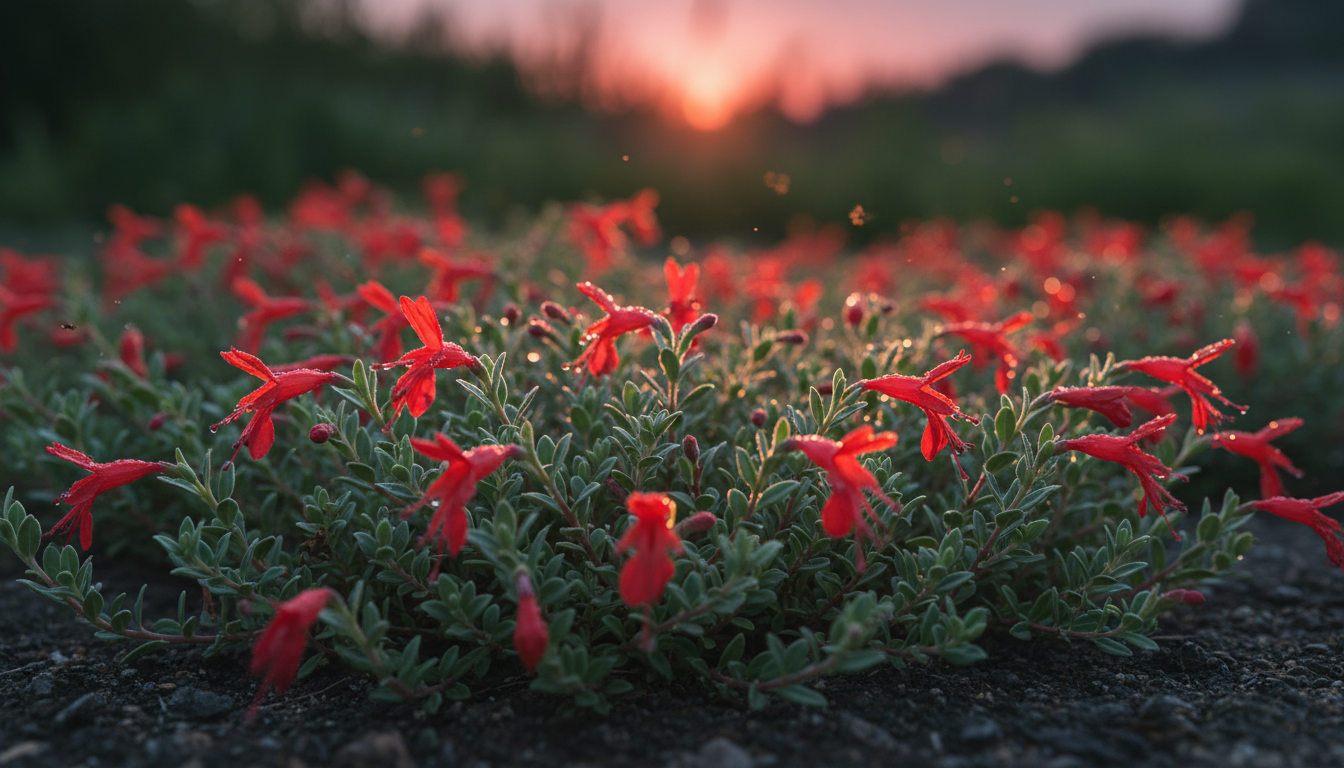
California Fuchsia is often recommended by wildfire-safe landscaping programs because the plant stays low, spreads neatly, and retains moisture even in extreme summer heat. Its tubular red flowers attract hummingbirds without inviting fire risk.
Firewise Benefits
- Low, compact growth
- High moisture foliage
- Naturally firewise native species in many regions
- Minimal seed litter
- Summer flowering without excessive dead stems
Best Use Near Your House
Excellent for sunny south-facing walls or as a colorful edging plant.
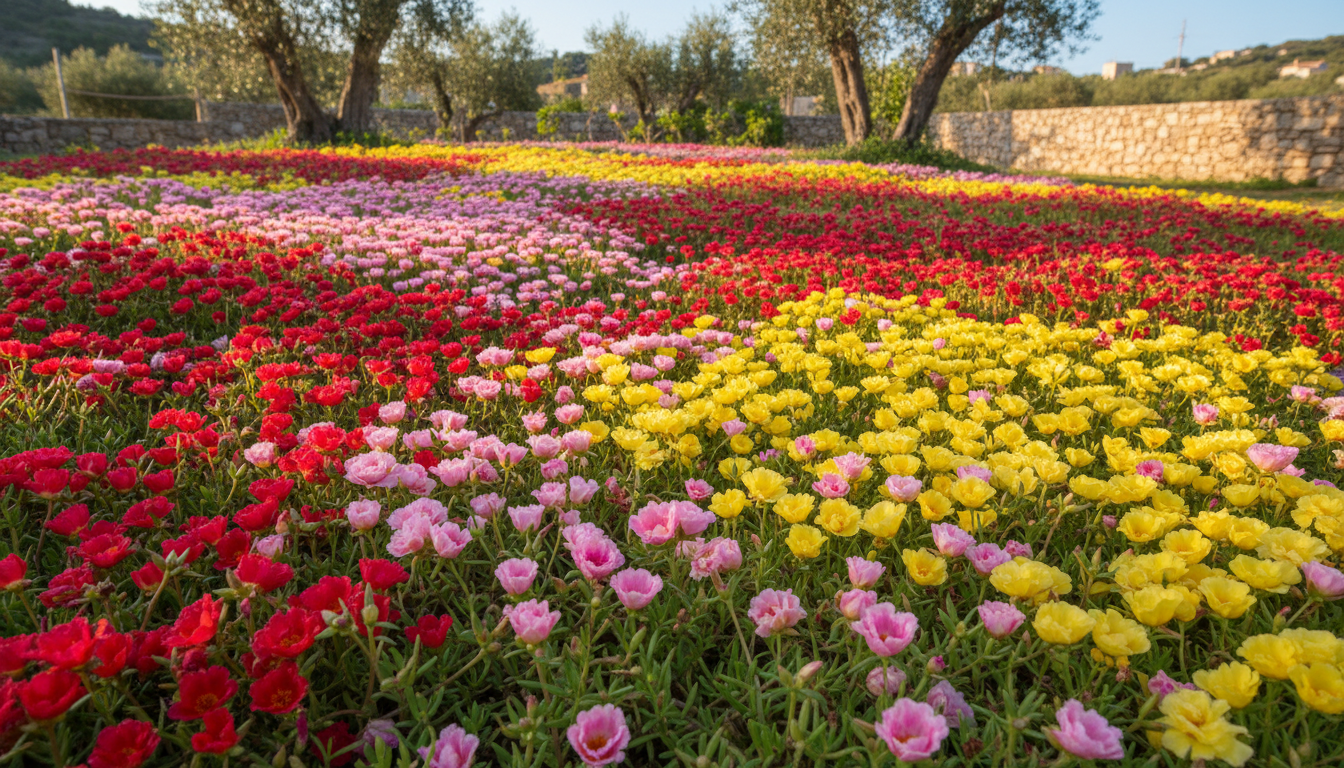
5. Moss Rose (Portulaca grandiflora)
Why It Works in Zone 1
Moss Rose is a succulent annual with vivid flowers that bloom profusely. Its thick cylindrical leaves hold moisture, making it much slower to ignite than conventional bedding flowers. The plant grows low and dense, helping stabilize soil and reduce ember-catching debris.
Firewise Benefits
- Succulent structure with high internal moisture
- Low-growing and non-woody
- Minimal dry material output
- Quick to replace if damaged by heat
Best Use Near Your House
Perfect for small rock gardens, edging strips along walkways, or decorative pockets near steps.
6. Hens and Chicks (Sempervivum spp.)
Why It Works in Zone 1
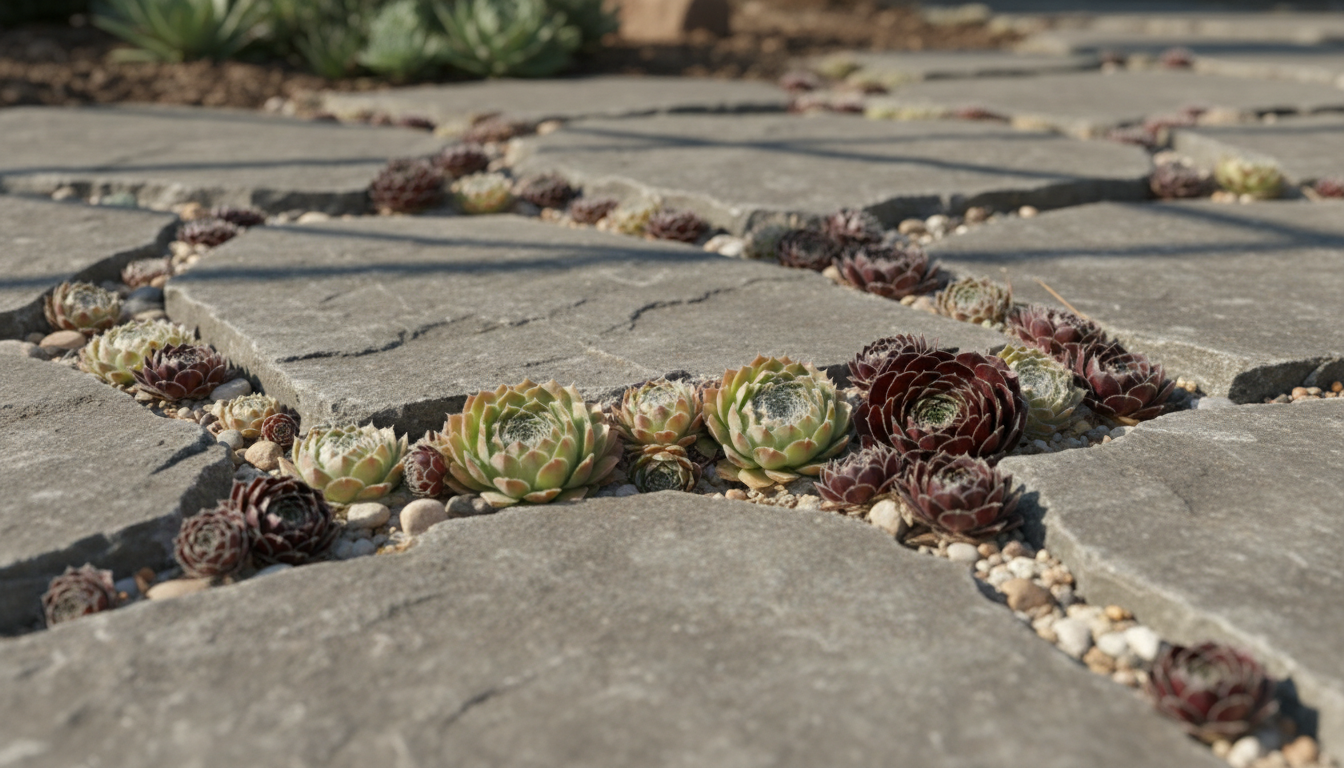
A classic fire-resistant succulent, Hens and Chicks grow as tightly packed rosettes that rarely produce dead foliage. Their low stature and high water content make them an excellent choice for planting immediately around foundations, entryways, and patios.
Firewise Benefits
- Very slow to ignite under radiant heat
- Minimal debris production
- Drought-tolerant yet moisture-dense
- Perfect for rocky or shallow-soil sections
Best Use Near Your House
Use it as a decorative border, between pavers, or in xeric beds adjacent to your home where larger plants would be risky.
7. Yarrow ‘Paprika’ (Achillea millefolium ‘Paprika’)
Why It Works in Zone 1
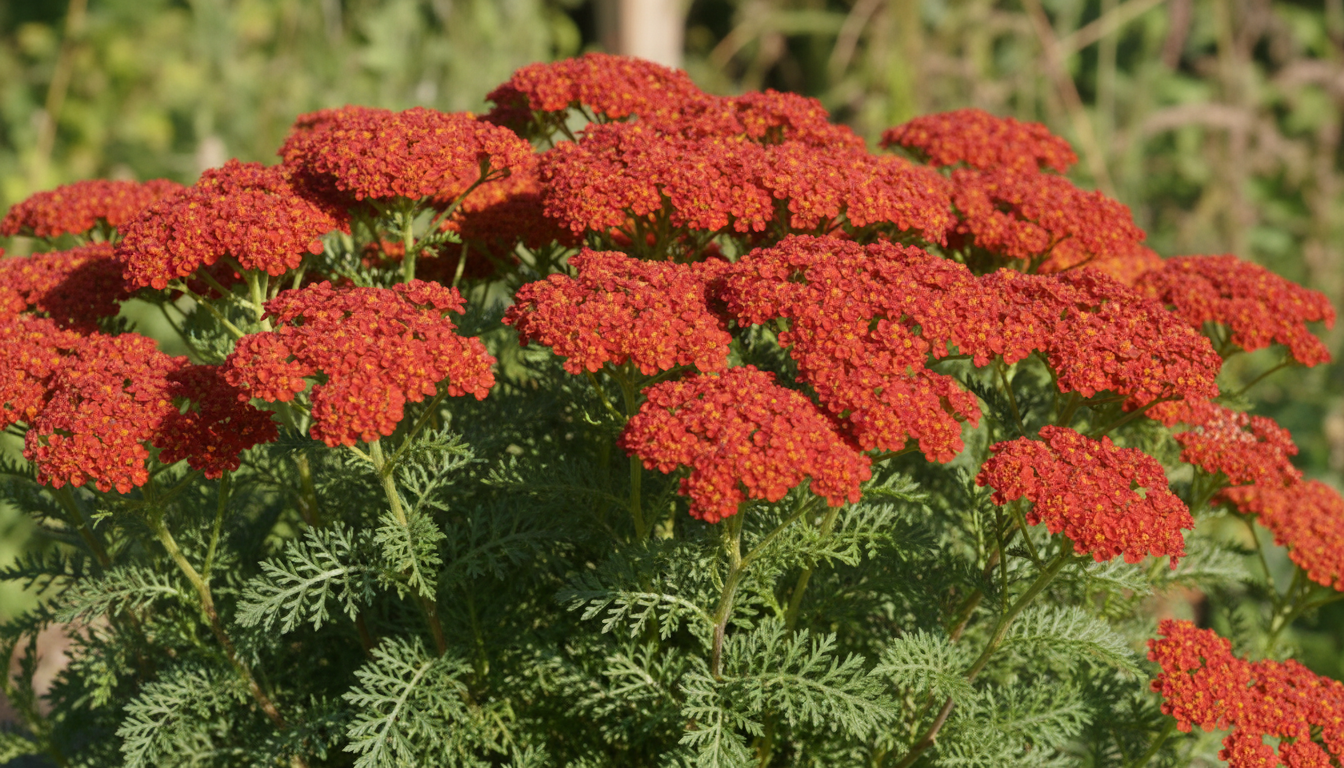
Yarrow is often listed as “firewise when maintained.” The ‘Paprika’ cultivar is particularly suitable because it grows compactly, stays low, and does not develop as much woody material as older varieties. The foliage contains less oil than many flowering perennials, reducing flammability.
Firewise Benefits
- Low stature
- Moderate moisture foliage
- Long bloom season
- Non-woody stems when regularly cut back
- Easy to thin and maintain
Maintenance Note
Yarrow can accumulate dry flower heads if not deadheaded. In Zone 1, remove spent blooms promptly.
Best Use Near Your House
Use as a colorful filler plant between succulents or as a soft border near windows and patios.
How to Arrange a Firewise Flower Bed in Zone 1
Even low-flammability flowers need a smart layout to reduce ignition risk.
1. Keep a Clear 0–2 Foot Zone
Place gravel, stone mulch, or pavers directly against the home’s foundation. Flowers can begin 2–5 feet away as long as they are:
- Low-growing
- Well-watered
- Succulent or moisture-retentive
2. Space Plants to Prevent Continuous Fuel
Avoid thick, unbroken carpets of vegetation. Use gaps, stones, or pavers to interrupt fire spread.
Recommended spacing:
- Succulents: 12–18 inches
- Small perennials: 18–24 inches
- Clumping flowers: separate into distinct clusters
3. Remove Dead Material Regularly
This includes:
- Dry flower heads
- Shed leaves
- Heat-kill damage after a hot spell
- Spent stems from the previous season
Even firewise plants can ignite if dead material builds up.
4. Use Gravel or Rock Mulch (Not Wood Mulch)
Wood mulch is highly ignitable—especially red cedar and pine bark.
Gravel, crushed stone, or decomposed granite are far safer choices.
5. Keep Irrigation Consistent
Moist plants resist ignition much better. Drip systems work well since they keep foliage dry but supply roots evenly.
Additional Fire-Safe Landscaping Tips for Zone 1
Avoid Woody or Resinous Plants
Do not plant anything in Zone 1 that contains oils, waxes, or resins, such as:
- Lavender
- Rosemary
- Juniper
- Cypress
- Sagebrush
- Ornamental grasses
These can ignite quickly and burn intensely.
Use Hardscaping to Break Up Space
Safe elements include:
- Stone walkways
- Concrete pavers
- Metal planters
- Rock gardens
- Low stone retaining walls
These elements act as firebreaks while giving design structure.
Choose Wider Flowerbeds, Not Dense Shrubbery
Shrubs, even low-growing ones, can produce woody material and catch embers. Flowers are typically safer because they lack woody stems.
Pay Attention to Seasonal Cleanups
Spring, midsummer, and fall cleanups are essential. Many fires occur late in summer when plants are stressed.
Sample Zone 1 Fire-Resistant Flower Layout Plan
Below is a simple starter design using the seven recommended flowers.
Foundation Area (0–2 feet)
- Gravel or stone mulch
- No plants touching siding
Inner Ring (2–3 feet)
- Hens and Chicks
- Ice Plant
- Moss Rose
Middle Ring (3–4 feet)
- Aloe (compact varieties)
- California Fuchsia
Outer Ring (4–5 feet)
- Red Hot Poker
- Yarrow ‘Paprika’

This arrangement ensures the highest-moisture, lowest-flammability plants remain closest to the home.
Maintenance Schedule for a Firewise Flower Bed
Monthly
- Remove any dry or dead material
- Check irrigation and moisture levels
- Pull weeds promptly
Spring
- Thin succulents
- Remove winter dieback
- Apply fresh gravel mulch
Mid-Summer
- Deep water succulents once a week
- Deadhead yarrow immediately
- Inspect for heat-damaged leaves
Fall
- Clean up all dead blooms
- Separate clumps if too dense
- Prepare plants for winter dormancy
Consistent care ensures the space remains low-flammability throughout the year.
Takeaway / Conclusion
A firewise garden doesn’t have to be barren or colorless—especially in Zone 1. By choosing flowers with high moisture content, low flammability, and minimal dead material, you can beautify the area closest to your home without compromising safety. Succulents like ice plant, aloe, and hens and chicks provide year-round protection, while colorful flowers such as California fuchsia and yarrow add seasonal interest. Smart spacing, regular maintenance, and the use of gravel mulches all work together to create a defensible space that resists embers, reduces fire spread, and supports long-term landscape resilience. The right plants in the right place can significantly increase your home’s safety while still creating a welcoming, vibrant outdoor space.