
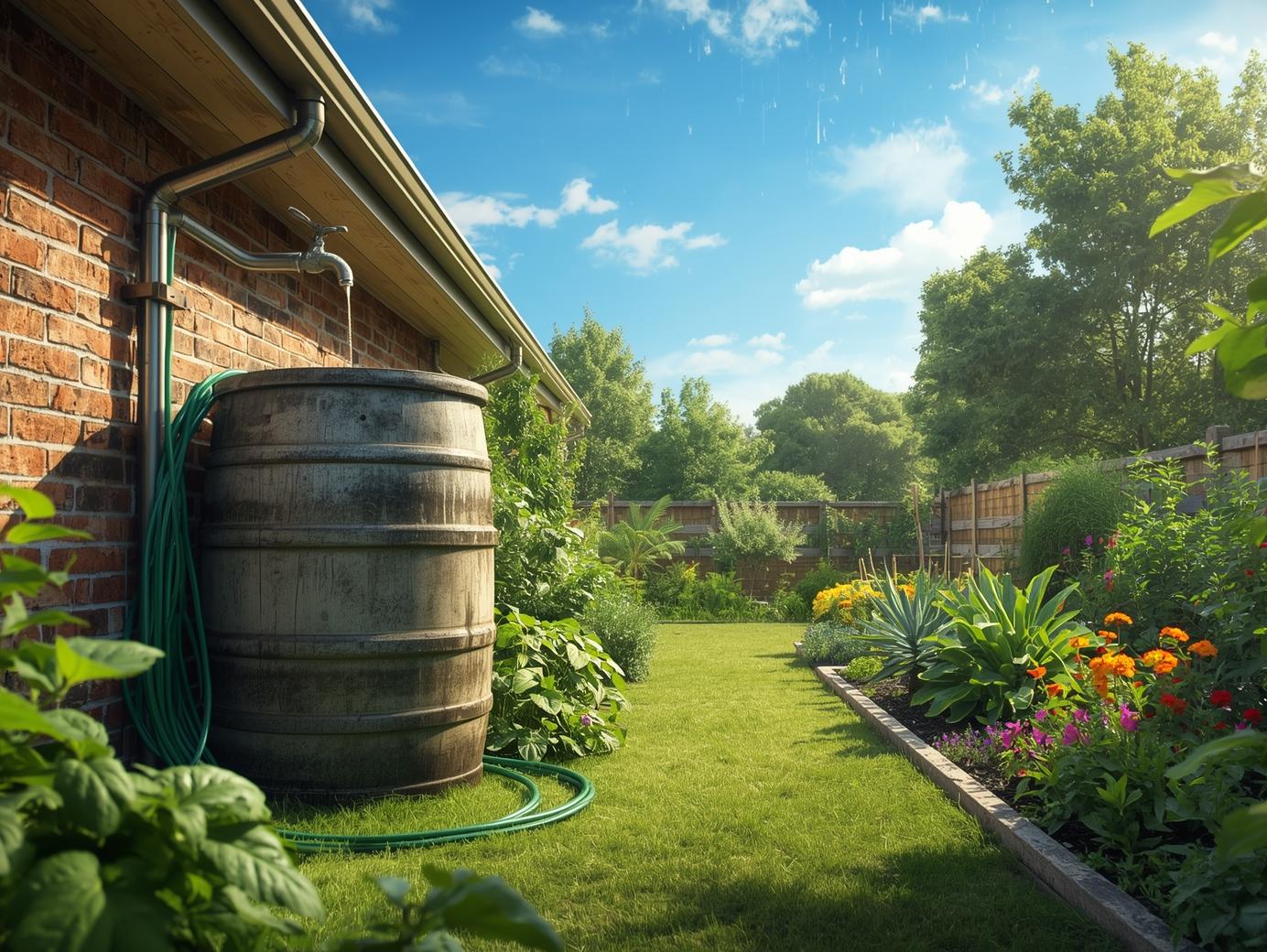
Collecting rainwater at home is an eco-friendly and cost-effective way to conserve water, reduce utility bills, and promote sustainable living. A DIY rainwater harvesting system allows you to capture, store, and use rainwater for gardening, washing, and other non-potable purposes. With basic materials and some simple steps, you can set up an efficient system that benefits both your household and the environment.
Benefits of Rainwater Harvesting
- Water Conservation: Reduces reliance on municipal water supplies and groundwater.
- Cost Savings: Lower water bills by using collected rainwater for irrigation and cleaning.
- Environmental Impact: Helps reduce stormwater runoff and soil erosion.
- Self-Sufficiency: Provides a backup water source during dry periods.
Components of a Rainwater Harvesting System
A basic DIY rainwater harvesting system includes:
- Catchment Area: Typically your roof, where rainwater is collected.
- Gutters and Downspouts: Direct water from the roof to the storage tank.
- First Flush Diverter: Optional device to prevent debris and initial contaminants from entering the tank.
- Storage Tank: A barrel, drum, or larger tank to store collected water.
- Filter or Screen: Keeps leaves, dirt, and insects out of the tank.
- Outlet and Tap: For easy access to the stored water.
Step 1: Choose the Location and Storage Tank
- Place your storage tank on a flat, elevated surface near a downspout. Elevation improves water flow and pressure.
- Ensure the area is stable and strong enough to hold a full tank of water.
- Select a tank size based on your rainfall and water needs. For small gardens, a 50–200-gallon barrel is sufficient.
Step 2: Install Gutters and Downspouts
- Check that your roof has gutters to collect rainwater.
- Attach a downspout that leads directly to your storage tank.
- Ensure a slight slope in the gutters to allow water to flow smoothly.
Tip: Use leaf guards or mesh screens to prevent debris from entering the system.
Step 3: Add a First Flush Diverter (Optional)
- A first flush diverter helps prevent contaminants from the roof (dust, bird droppings, leaves) from entering the tank.
- It diverts the initial flow of rainwater away from the storage tank.
- This ensures cleaner water for your garden or household use.
Step 4: Set Up the Storage Tank
- Place the tank on a sturdy base or stand.
- Connect the downspout to the tank inlet.
- Install a filter or screen at the inlet to trap debris.
- Attach a tap or hose outlet at the bottom for easy water access.
Step 5: Connect Overflow and Drainage
- Install an overflow pipe near the top of the tank to prevent spillage during heavy rain.
- Direct overflow water to a safe drainage area or another storage tank.
Step 6: Maintenance
Regular maintenance ensures efficiency and water quality:
- Clean gutters and downspouts every few months.
- Remove leaves and debris from the tank and filters.
- Check for cracks or leaks in the tank.
- Treat stored water if needed for specific uses.
Tips for Maximizing Efficiency
- Rainwater Collection Area: Larger roofs collect more water. Ensure clean roof surfaces for better quality.
- Tank Material: Use food-grade plastic or coated metal tanks to prevent contamination.
- Multiple Tanks: Connect multiple barrels to increase storage capacity.
- Use Rainwater Efficiently: Water gardens, wash cars, or flush toilets with collected rainwater.
Cost Estimate
- Rain Barrel (50–200 gallons): $50–$150
- Gutters and Downspouts: $30–$100
- First Flush Diverter (optional): $20–$50
- Filters/Screens: $10–$30
- Miscellaneous (pipes, connectors, tap): $20–$50
Total: $130–$380 depending on system size and materials.
Conclusion
A DIY rainwater harvesting system is a practical and sustainable way to save water, reduce costs, and make your home more eco-friendly. With careful planning, basic materials, and simple installation steps, you can create an efficient system to capture and utilize rainwater for a variety of purposes. Over time, this system not only benefits your household but also contributes positively to the environment.