
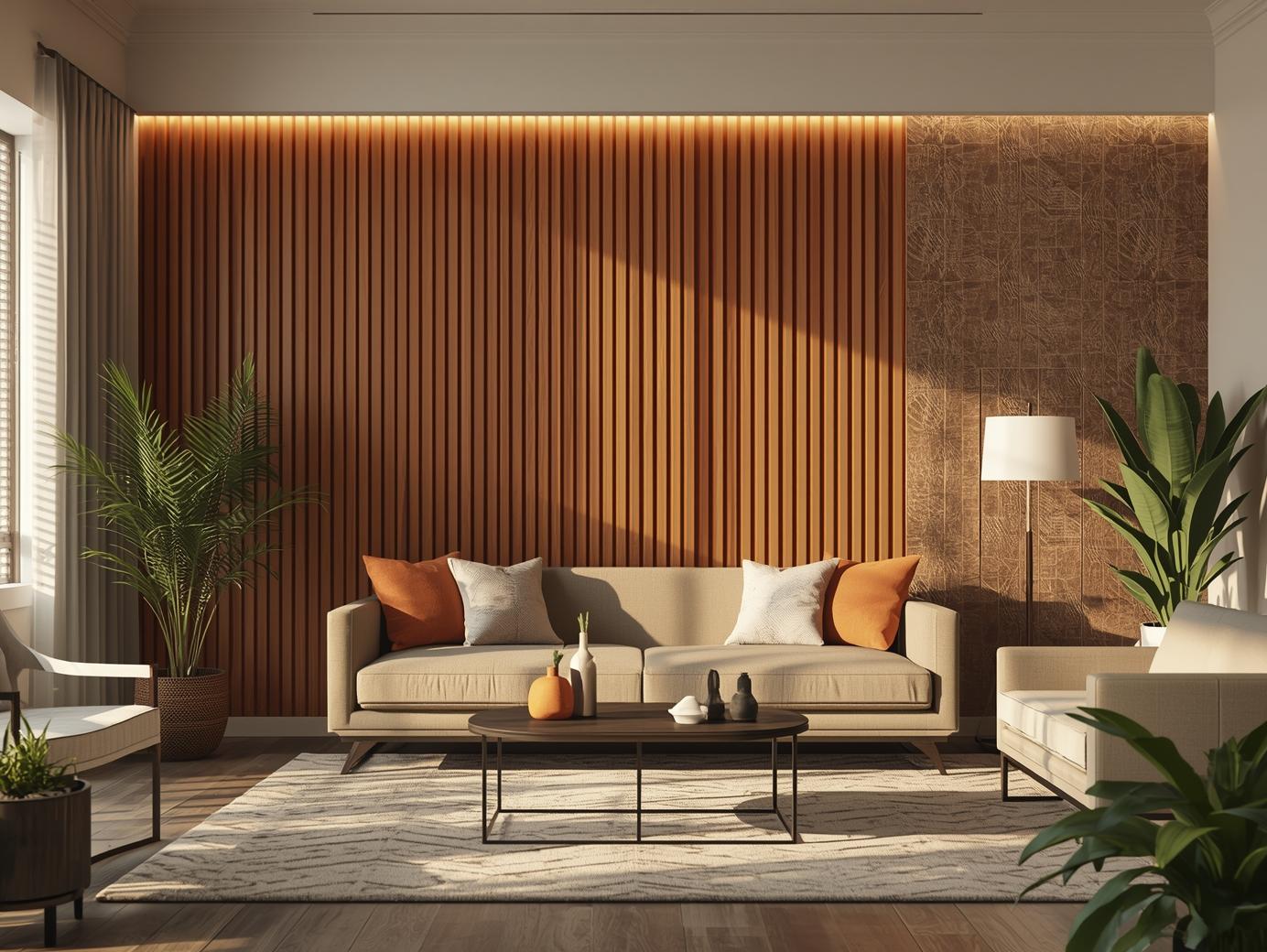
An indoor accent wall is one of the easiest ways to transform a room without a full renovation. Whether you want to add texture, color, or architectural interest, a DIY accent wall can elevate your living space and showcase your personal style. From wood and slat designs to tile or plaster finishes, there are countless options to create a bold statement. This guide will help you choose the right materials, plan your project, and execute a beautiful accent wall on a budget.
Benefits of an Indoor Accent Wall
- Instant Visual Impact: Draws attention and creates a focal point in any room.
- Cost-Effective: A single wall transformation is cheaper than repainting or remodeling the entire room.
- Versatility: Works in living rooms, bedrooms, dining areas, or home offices.
- Personalization: Customize colors, textures, and patterns to match your style.
Choosing Your Material
1. Wood Accent Walls
Wood adds warmth and texture, creating a cozy and inviting atmosphere. Popular options include reclaimed wood, shiplap, or tongue-and-groove planks.
Materials Needed:
- Wood planks or panels
- Nails or screws
- Level and measuring tape
- Saw (for cutting planks)
- Wood stain or paint (optional)
Tips: Stagger plank lengths for a rustic look, or install horizontally for a modern finish.
2. Slat Accent Walls
Slat walls are sleek and modern, offering texture and depth without heavy materials. They can be painted or stained.
Materials Needed:
- Slats (wood, MDF, or PVC)
- Nails or adhesive
- Level and tape measure
- Paint or stain
Tips: Keep spacing consistent between slats for a clean, professional appearance.
3. Tile Accent Walls
Tile walls bring durability and a unique texture, making them ideal for kitchens, bathrooms, or feature areas. You can choose ceramic, porcelain, or natural stone tiles.
Materials Needed:
- Tiles of choice
- Tile adhesive and grout
- Tile spacers
- Trowel and grout float
- Level and measuring tape
Tips: Mix textures or colors for visual interest. Ensure proper surface preparation to prevent cracking.
4. Plaster Accent Walls
Plaster offers a sophisticated, textured finish and can be customized with patterns, swirls, or smooth finishes.
Materials Needed:
- Plaster or joint compound
- Trowel and putty knife
- Sandpaper
- Paint (optional)
Tips: Apply in thin layers and allow each coat to dry completely. Experiment with different textures for a unique look.
Step-by-Step DIY Accent Wall Guide
- Choose the Wall: Pick a wall that naturally draws attention, such as behind a bed, sofa, or fireplace.
- Measure and Prep: Measure the wall dimensions. Clear furniture and cover the floor with a drop cloth.
- Mark Guidelines: Use a level and pencil to mark reference lines for planks, slats, tiles, or plaster patterns.
- Install Material:
- Wood/Slat: Attach planks or slats using nails, screws, or adhesive.
- Tile: Apply adhesive, set tiles, and use spacers for even gaps.
- Plaster: Apply in layers, smooth or texture as desired.
- Finishing Touches:
- Sand rough edges for wood or plaster walls.
- Apply stain, paint, or sealant as needed.
- Clean grout lines and remove dust.
- Decorate: Add furniture, art, or shelves to complement your new accent wall.
Design Ideas
- Wood: Rustic reclaimed wood with a natural finish.
- Slat: Vertical or horizontal painted slats in contrasting colors.
- Tile: Herringbone, geometric patterns, or mixed textures.
- Plaster: Venetian plaster or textured stucco finishes.
Cost Estimate
- Wood Accent Wall: $100–$400 depending on type and size.
- Slat Wall: $50–$200 for materials.
- Tile Wall: $150–$500 including adhesive and grout.
- Plaster Wall: $50–$150 for plaster and supplies.
DIY accent walls are highly affordable compared to hiring a professional and can be completed in a weekend for small to medium walls.
Tips for a Successful Accent Wall
- Choose a wall that naturally draws attention.
- Keep room proportions in mind to avoid overwhelming the space.
- Test colors or materials on a small area first.
- Ensure proper wall preparation for longevity.
- Use accent lighting to enhance textures and colors.
Conclusion
A DIY indoor accent wall is a simple yet impactful way to elevate your home decor. Whether you prefer warm wood, sleek slats, stylish tiles, or textured plaster, the options are limitless. With careful planning, quality materials, and a little creativity, you can create a stunning focal point that transforms your room and reflects your personal style.