
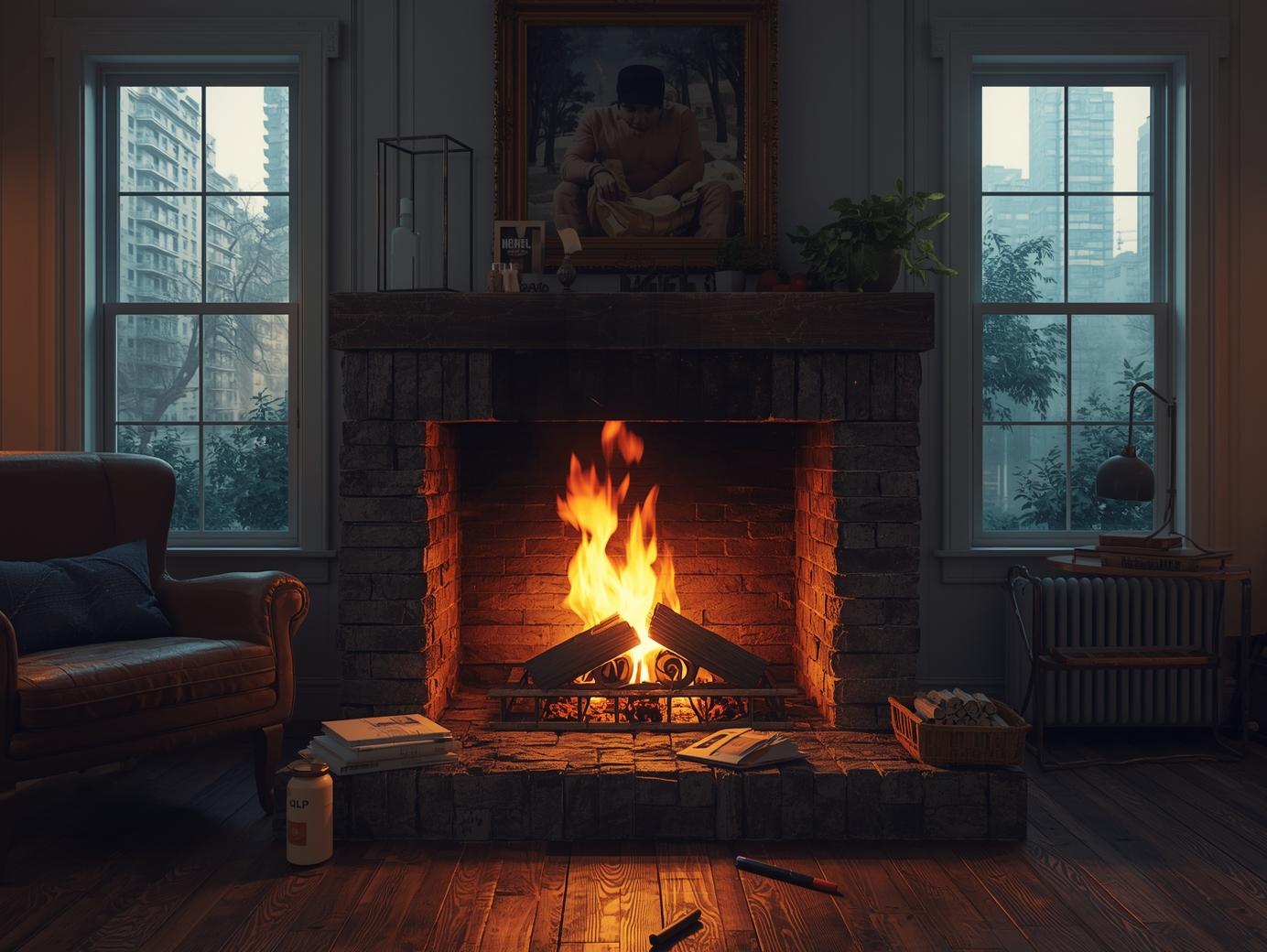
A fireplace adds instant warmth, comfort, and character to any home. Whether you want a classic brick hearth, a modern minimalist design, or a rustic wood-inspired style, building a DIY fireplace is completely achievable with the right planning and materials. While it requires time, attention to detail, and adherence to safety standards, the end result can be a functional focal point that transforms your living space.
This guide walks you through every essential step of building a DIY fireplace—from planning and material selection to construction, finishing, and ongoing care. Whether you are adding one to your living room, basement, or outdoor patio, this comprehensive tutorial will help you create a durable and efficient fireplace you can enjoy year after year.
1. Decide the Type of Fireplace You Want
Before buying materials or lifting tools, decide which fireplace design suits your home. Popular DIY options include:
1. Masonry Fireplace
- Built from bricks, concrete blocks, or stones
- Requires proper venting and a chimney
- Highly durable and long-lasting
- Typically more expensive and labor-intensive
2. Electric Fireplace
- Easiest and safest DIY option
- No chimney or venting needed
- Can be installed almost anywhere
- Offers customizable flame visuals
3. Gas Fireplace
- Clean-burning, efficient, and warm
- Requires gas line installation
- Needs proper venting or vent-free configuration
4. Faux (Decorative) Fireplace
- Purely aesthetic
- No heat output unless you add an electric insert
- Great for apartments or décor enhancements
Tip:
If you are new to construction, electric or faux fireplaces are ideal choices due to their simplicity and low safety risks.
2. Check Local Safety Codes and Requirements
Fireplaces involve structural modifications, fuel sources, and potential fire hazards, so follow your location’s building and fire codes. This includes:
- Chimney height and positioning
- Clearance from combustible materials
- Approved venting systems
- Minimum hearth dimensions
- Wall reinforcement requirements
- Flame-resistant surface regulations
If you are installing a gas line or modifying electrical lines, professional assistance is strongly recommended.
3. Gather Required Tools and Materials
Your materials depend on the type of fireplace you are building, but here are the most commonly needed items:
Tools
- Angle grinder
- Masonry trowel
- Level
- Measuring tape
- Drill
- Caulking gun
- Rubber mallet
- Circular saw
- Safety gear (gloves, goggles, dust mask)
Materials
- Firebricks or masonry blocks
- Heat-resistant mortar
- Metal firebox (optional)
- Cement board
- Wood framing boards
- Insulation (fire-rated)
- Stone veneer, brick veneer, or tile
- Electric or gas insert (if applicable)
- Paint or finishing materials
4. Build the Base and Frame
Step 1: Mark the Layout
Use painter’s tape or chalk to outline the footprint of the fireplace on your floor and wall. Ensure enough clearance for the firebox and hearth extension.
Step 2: Construct the Foundation
A masonry fireplace requires a solid base, typically made of:
- Concrete slab
- Reinforced footing
- Leveling compound
Electric or faux fireplaces may only need a simple wooden platform.
Step 3: Build the Wooden Frame
Build the skeleton structure using construction-grade lumber:
- Vertical studs
- Horizontal supports
- Openings for the insert
- Space for wiring and venting
Ensure the frame is level and properly anchored to wall studs.
5. Install the Firebox or Insert
For Masonry Fireplaces
- Install a fire-rated firebox
- Use firebricks and refractory mortar
- Ensure the firebox is centered and level
For Electric Fireplaces
- Slide the electric insert into the framed opening
- Allow ventilation space as recommended by the manufacturer
- Make sure wiring is safely routed
For Gas Fireplaces
- Install the direct vent or vent-free box
- Connect the gas line using licensed professionals
Important:
The firebox must be fire-rated and heat-resistant to prevent structural damage and safety hazards.
6. Add Ventilation or Chimney (If Applicable)
A wood-burning or gas fireplace requires proper venting.
Masonry chimney construction includes:
- Building the smoke chamber
- Installing the flue liner
- Constructing the chimney stack
- Adding a chimney cap
Direct-vent gas fireplaces require:
- A coaxial pipe running directly outside
- Proper sealing to prevent leaks
Electric fireplaces:
- Do not require any venting or ductwork
7. Install Fireproof Backing and Insulation
Before applying your final exterior finish, add fire-rated materials to increase durability and safety:
- Cement board
- Heat-resistant insulation
- Fire-resistant adhesives
These materials protect the surrounding drywall from heat exposure and prolong the life of your fireplace.
8. Apply the Exterior Finish
This step gives your fireplace its final appearance. Choose from:
Brick
Classic, timeless, and highly durable.
Stone or Stone Veneer
Adds natural elegance and texture.
Tile
Suitable for modern designs and clean lines.
Wood Mantel & Surround
Only use wood on areas not directly exposed to heat.
Plaster or Smooth Concrete
Ideal for minimalist or Scandinavian interiors.
Attach the finish using mortar, tile adhesive, or mounting hardware depending on the material.
9. Build the Hearth and Mantel
Hearth Construction
The hearth sits at the base and protects the floor from heat and sparks. Materials include:
- Slate
- Granite
- Tile
- Brick
- Masonry blocks
Mantel Installation
The mantel adds functionality and aesthetic value:
- Wood beam
- Stone slab
- Floating shelf
- Cast concrete
Ensure you maintain the required heat-clearance distances.
10. Add Final Details and Inspect for Safety
Before using the fireplace:
- Check all joints and seals
- Ensure the firebox is firmly seated
- Confirm draft or airflow (for wood-burning fireplaces)
- Test electrical components (for electric fireplaces)
- Check gas line connections (for gas fireplaces)
- Inspect chimney for blockages
- Verify clearances from furniture and fabrics
If possible, have a certified inspector review your setup.
11. Maintenance Tips for a Long-Lasting Fireplace
Proper maintenance ensures efficiency and safety:
For Masonry Fireplaces
- Clean ashes after every few uses
- Sweep the chimney annually
- Check mortar joints
- Inspect the damper
For Gas Fireplaces
- Clean the burner
- Check the pilot light
- Inspect the vent
For Electric Fireplaces
- Dust the internal components
- Check wires and power outlets
- Clean glass screens
General Tips
- Never leave an active fire unattended
- Avoid burning treated wood
- Install smoke and carbon monoxide detectors nearby
Conclusion
Building a DIY fireplace for your home is an achievable project when approached with proper planning, tools, and safety measures. Whether you choose a rustic stone hearth, a sleek modern electric design, or a full masonry build, the process is rewarding and adds lasting value to your home. By following the step-by-step instructions in this guide, you can create a stunning centerpiece that provides warmth, charm, and comfort for years to come.